
In-play betting sites in Great Britain for 2026
 Available in US
Data current as of 27 October 2026 and cross-checked against the Gambling Commission’s public register.

A pre-match bet is a single decision. The teams are named, the price is printed, the slip is settled, and the rest of the evening is watching a result the bet already knows about. An in-play bet is something different: the bet is open while the event is still moving, the price is moving with it, and the bettor’s choices multiply by the minute. Cash out sits inside that second category, and the two together are the live-betting layer almost every British-licensed bookmaker now carries. This page is about what that layer is, what it costs the punter, which sites run it most competently, and where the law sits around it.
The in-play market in Great Britain is not a free-for-all. It is fully commercial, with no statutory cap on stakes and no separate “live betting” statute, but it sits inside the Gambling Act 2005 and a thicket of licence conditions, social responsibility codes and remote technical standards that the Gambling Commission enforces. Every operator reviewed here holds a Commission remote general betting licence, is on GAMSTOP, and is bound by the same customer-protection duties. What differs is how each bookmaker’s own terms frame the live product, how it builds cash out around it, and what a punter has to put on the line to use it.
The two products that define a live betting site
In-play betting, also called live betting, lets a punter place new bets while a sporting event is in progress. Pre-match prices are quoted, locked in, and gone. Live prices react to what is happening on the pitch: a goal, a red card, a break of serve, a wicket, a switch in momentum. The same event has many markets open at once — the next goal, the next set, the method of the next wicket — and they are repriced in seconds. The bookmaker’s job is to suspend, reprice and reopen fast enough to keep the margin in the market; the punter’s job is to read the moment faster than the trader.
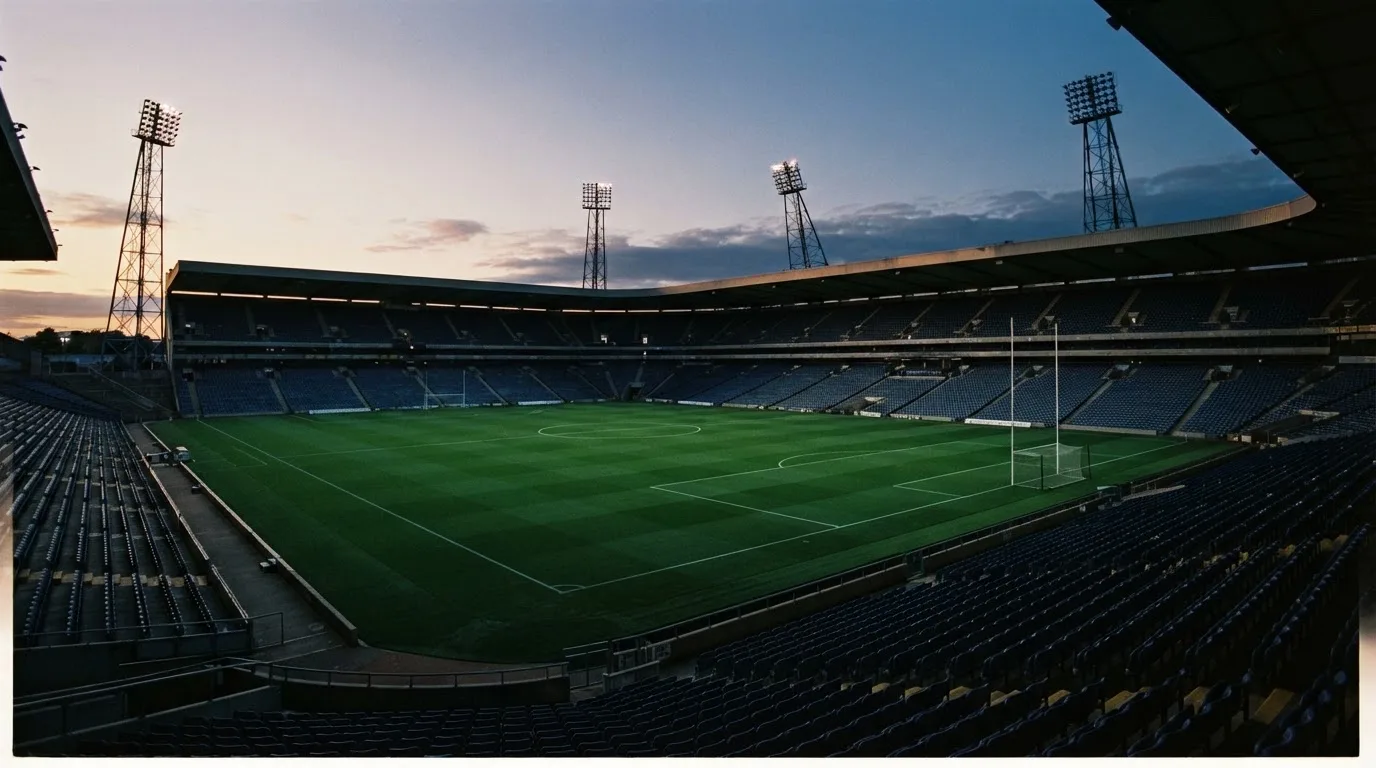
Cash out is the second product and it works in reverse. Instead of waiting for the event to settle, the punter closes the bet early. On a winning position cash out returns a fraction of the eventual profit; on a losing position it returns a fraction of the stake. The fraction is the bookmaker’s live valuation of the bet at the instant the button is pressed, and it almost always sits below what the bet would return at full settlement. The trade is certainty against time.
What the bet actually does in real time
A live bet is still a bet. The bettor picks a market, sets a stake, accepts a price and waits for the event to finish — except the event has already started, the price was a snapshot, and the slip can be cashed out partway through. There is no separate in-play stake cap and no different age rule. The verification, the deposit limit, the GAMSTOP self-exclusion and the affordability duties are the same. What changes is the speed of everything: the price can move several times in a minute, the market can be suspended for a goal or a video review, and the bet can become void mid-event under rules that vary by sport and by operator.

The practical consequence is that an in-play bettor has more decisions, not fewer, and the time to make each one is shorter. That is the actual content of a “live betting” tab on a bookmaker’s site, and it is what the rest of this page builds toward.
What cash out actually pays
Cash out is a separate button, not a separate bet. It is the bookmaker offering to buy the open bet back at a price of its own choosing, and accepting that offer takes the bet off the slip. The offered amount is roughly the live fair value of the bet minus a haircut the bookmaker keeps for closing the position early. The haircut is the price of certainty.
It is not guaranteed. The bookmakers reviewed here state in their own terms that cash out may be unavailable, may be withdrawn mid-event, may fail during a market suspension, and may be unavailable on certain bet types — each-way bets at William Hill are a clear example, and accumulators there carry a similar caveat. The bet is never cancelled by the absence of cash out: it stays open, it runs to full settlement, and the punter who clicked the button too late is back in the original position.
How the live product looks on a British-licensed site
A live-betting layer on a GB-licensed site is built from four pieces of plumbing: a fast in-play pricing engine, a cash-out valuation engine that re-prices every open bet, a live data feed for the event itself, and the licence conditions that hold all of the above to the Commission’s customer-protection rules. The differences between sites are in how those four pieces are assembled.
Pricing, suspension and the trader’s eye
Live markets move in stop-start bursts rather than continuously. A football price runs freely for most of a passage of play, then is suspended for a goal-mouth scramble, a shot on target or a VAR check, then reopens at a new price. Tennis suspends on every set point. Cricket suspends at the fall of a wicket and during the bowler’s run-up. The punter reading the markets in real time is reading those suspensions, because the size of the price move after a suspension is a measure of how much the bookmaker thinks the event has changed.
The bookmaker’s margin sits inside every one of those prices, and it stays there. A live market is not a kinder version of a pre-match market just because it is moving. The overround, the sum of implied probabilities, still exceeds 100%, and the difference is what the bookmaker keeps of every unit staked. Reading in-play odds without a sense of margin is reading the wrong number, and no live product erases that.
Cash out as a trader’s price
When the cash-out button is pressed the bookmaker is not paying out a calculated fraction of the original bet. It is offering its own live price for the bet — what it would cost the firm to close the position right now — and that price is the bettor’s choice between two outcomes. The fraction of the eventual profit returned is the cash-out value; the fraction of stake recovered on a loser is the same kind of value, just running in the other direction. The bookmaker does not disclose the haircut, and it has no obligation to.
The timing is the second part of the cost. A cash-out request is processed in a delay, often a few seconds, and during that delay the bookmaker’s live price can move. Where the price moves against the bettor, the offered amount drops or the offer is withdrawn. One bookmaker’s published terms state that cash out is unavailable during a market suspension and may fail if odds change or a market is suspended during the cash-out delay. The bet stands in either case; the bettor keeps the original position and the slip reverts to it.
Streaming as the second screen
A live-betting layer that the punter can see but not watch is a thinner product. Most of the bigger names attach a live stream to the live tab: bet365 covers events worldwide, William Hill runs WHTV for racing and selected other sports, Unibet runs Unibet TV, Betfair streams UK and Irish racing and football inside its app, and Swifty Sports lists live streaming among its features. The stream is gated — William Hill’s WHTV requires a funded account or a bet in the last 24 hours, and live racing there needs a stake of at least £1 on a qualifying race — and the gates exist because the stream is the product. The decision to bet is faster when the moment is on the screen.
The bet builder, the acca and the boost
Bet Builder is the cousin of the live product rather than the live product itself, but it sits next to it. A Bet Builder combines markets from one event into a single bet: a Liverpool win, over 2.5 goals, Mohamed Salah to score. Several of the operators here list a Bet Builder that works pre-match and in-play: bet365 runs Bet Builder+, Coral covers match result, goalscorers, total goals and corners across more than 100 football leagues, DAZN Bet and Unibet both list it, Spreadex runs it across fixed odds or spreads, and Bet Ahoy offers it across eleven sports. Where the Bet Builder is available in-play, the same single-event combination is built on the moving price.
Accumulators are the second cousin. Most sites let the bettor combine legs across events, and acca insurance, acca boosts and winnings boosts attach to them. In-play accumulators are a thinner category because the price of each leg moves as the bet is being assembled, and the bookmaker typically prices the whole slip as a unit at the moment of placement.
The ten operators reviewed here, in order
A live-betting review is not a ranking. The order below is editorial, not merit-based. Every brand on the list holds a Gambling Commission remote general betting licence at the time of writing, is on GAMSTOP, and verifies customers before the first deposit. What the page judges each one on is how the live product sits inside that licence — how it prices, how it pays out, and where its terms leave the punter exposed.
The angle through this section is consequence: what the live product actually does to a punter’s stake, on a given event, in the moment the button is pressed.
DAZN Bet — Cash Out, Bet Builder, with a clear no-guarantee on cash out
DAZN Bet runs Cash Out, Bet Builder, daily bet boosts and in-play betting. Cash out is a clear, named feature, and the operator’s published help page on the subject is unusually plain about the limits: cash-out availability is not guaranteed, and where it is unavailable the bets stand and run to full settlement. The same page does not dress that up as a risk the punter can hedge — it is the bet staying open.
The combination is broad: in-play markets, a Bet Builder, daily boosts and a cash-out button. None of the four pieces is industry-leading, but the four pieces are all present, and the help page is short and readable. A punter looking for a single live-betting entry point with the main features and the caveats in plain English will find it here.
For a punter who values clarity on cash out over depth in any one of the four pieces, DAZN Bet is a serviceable choice. The plain wording of the terms is the differentiator.
William Hill — a deep live product, with cash out carved into specific bet types
William Hill is one of the deeper in-play books in the British market. The in-play tab is broad, the streaming service WHTV covers selected UK and US horse racing, UK greyhounds and other sports, and the Bet Builder, daily boosts and accumulators are all in place. The live racing stream needs a stake of at least £1 on the qualifying race, and the free Betting TV is the public face of that.
The carve-outs on cash out are the point of the review. The help page on cash out is explicit that it is not available on each-way bets and is not always available on accumulators, and that William Hill does not guarantee its availability at all. Each-way betting on racing and football accumulators are exactly the markets a casual live punter drifts toward, and the carve-outs read as the operator choosing where the button works rather than letting it work everywhere. The punter on a racing slip with an each-way component is on the wrong side of that choice.
For a punter whose live betting is singles and short accumulators on a deep book, William Hill is a strong fit. The carve-outs on cash out are the cost.
London Bet — a combined sportsbook and casino app with live in-play
London Bet’s app combines sports betting — football, tennis, horse racing, greyhounds, darts, golf, cricket, NFL, NBA, MLB, snooker — with Pragmatic Play casino slots and live in-play betting. The shape is that of a casual bookmaker with a casino product wrapped around it: a punt on the football, a few spins on a slot, a live bet on the darts if the first two lose.
The in-play tab is part of the package rather than a feature in its own right, and there is no indication from the app listing that the live product is the differentiator. London Bet is for a punter who keeps one app open for sport and casino and who is happy with an in-play layer that covers the main events without pretending to be a specialist. It is the convenience of a single wallet.
For a punter who wants a single multi-product app and is not chasing the deepest live book, London Bet is reasonable. For a punter whose live betting is the product, it is thin.
Bet Ahoy — early, partial and auto cash out, with a big live market on the Premier League
Bet Ahoy offers pre-match and in-play Bet Builder across eleven sports, plus Early, Partial and Auto Cash Out, and up to 800 live markets on Premier League fixtures. The three cash-out modes are a useful piece of plumbing: Early closes the bet before settlement, Partial closes a fraction of the stake, Auto runs a rule the punter sets. Each one is a different way of trading certainty for time.
The Premier League live depth is the differentiator. Eight hundred live markets on a single fixture is a specialist’s number — corners, cards, shots, player props, the lot — and it is the kind of depth a serious in-play punter builds a slip around. The bettor looking at a Saturday afternoon fixture and wanting to read the game through dozens of small positions is exactly the customer the product is built for.
For a serious in-play punter on football, Bet Ahoy is a meaningful choice on the depth of the Premier League book alone. The cash-out plumbing is the supporting case.
Swifty Sports — Best Odds Guaranteed, in-play and streaming, with a Bet Builder flagged as coming soon
Swifty Sports offers Best Odds Guaranteed, Cash Out on markets including horse racing and football, daily price boosts, live streaming and in-play betting. Bet Builder is listed as coming soon. The combination of BOG, cash out and a live product is unusual for a smaller British bookmaker, and the streaming on top of it puts Swifty in a smaller group of brands that run all four pieces of the live layer.
The Bet Builder gap is the live cost. A punter who builds same-game multiples — the heart of the modern in-play product — is on a feature that has not yet shipped, and the absence is in the App Store listing rather than hidden. For a punter whose live betting is the next price, a stream and a cash-out button, Swifty is a solid fit. For a punter who wants a Bet Builder on every event, it does not yet.
For a racing and streaming punter with a simpler in-play need, Swifty is a competitive choice. The missing Bet Builder is the cost.
Spreadex — fixed odds, spreads and a single cash-out engine across both
Spreadex combines fixed-odds and spread betting in one app, with one-click, auto and partial cash out, Bet Builder across fixed odds or spreads, and live streaming of UK and Irish horse racing, greyhounds, tennis, NFL and selected football. Spreadex is regulated by the Financial Conduct Authority for spread betting and by the Gambling Commission for fixed-odds betting, and the firm itself states that spread betting losses can exceed the deposit.
The single-wallet structure is the differentiator. A punter who wants fixed odds on the football and a spread position on the same fixture uses the same app, the same cash-out engine, and the same live stream. The Bet Builder works across both product types. The streaming is broad.
The risk of the spread book is the cost. Spread betting is not for a punter who is not reading the contract: losses can be larger than the deposit, and the firm is clear about that on its own homepage. The fixed-odds book sits inside the same licence frame as every other operator here, and the live product on the fixed-odds side is the safer use of the app. A punter who treats the spread book as a sideline is well-served; a punter who drifts into spread markets without reading the contract is not.
For a punter who wants fixed odds and spreads in one place, Spreadex is the obvious choice in this list. The risk profile of the spread book is the cost.
Betboro — boosted odds, cash out and in-play markets, with the responsible-gambling kit on the homepage
Betboro offers in-play markets and cash-out on football, racing and tennis, boosted odds on selected singles from £10 stakes, and responsible gambling tools (deposit limits, reality checks, self-exclusion). The boosted-odds threshold of £10 is a clear, stated number — the punter knows the entry price.
The presence of the responsible-gambling tools on the homepage is the differentiator. Deposit limits, reality checks and self-exclusion are LCCP-mandated across the board, and their visibility on the homepage rather than buried in the footer is a small editorial choice. The punter is reminded at the door.
For a punter who likes boosted singles and wants the safer-gambling kit visible, Betboro is a serviceable choice. The boosted-odds threshold is the cost on small stakes.
Fitzwilliam Sports — a phone-and-live-chat bookmaker with a long opening day
Fitzwilliam Sports offers phone and live chat with the office open 09:00 to 21:00, Monday to Sunday, with messenger replies generally within 90 seconds. The shape is closer to a traditional betting shop than a modern app: a real person on the line, a long opening day, and a messenger window that promises a near-immediate reply.
The live product sits inside that shape. There is no in-play streaming service, no Bet Builder and no acca insurance in the public-facing description; the differentiator is the human interface. A punter who wants to ring up and place a bet, or to ask a question on messenger and have it answered in a couple of minutes, is the customer here.
For a punter who values a phone line and a fast messenger over the modern in-play plumbing, Fitzwilliam is a sensible choice. The missing streaming and Bet Builder are the cost.
Unibet — a deep live product with Uniboosts, BOG, Unibet TV and the full safer-gambling kit
Unibet offers Bet Builder, daily Uniboosts, live streaming through Unibet TV, in-play betting, Best Odds Guaranteed on horse racing and Cash Out on thousands of markets. The company states it has operated since 1999, its UK site is run by Platinum Gaming Limited, Gibraltar, under Gambling Commission account 45322, and its safer-gambling tools include deposit limits, a Player Profile test, product restrictions and self-exclusion, with live chat support and links to BeGambleAware, GamCare, GAMSTOP, Gambling Therapy and the BGC.
The depth of the live product and the breadth of the safer-gambling kit is the differentiator. Uniboosts are daily; the Bet Builder is in place; Unibet TV covers a broad range of sports; cash out is on thousands of markets; BOG covers horse racing. The safer-gambling suite is unusually broad: deposit limits, a player profile test, product restrictions, self-exclusion, and a stack of links to the major British help services. A punter who wants a deep live book and a serious safer-gambling layer is well-served.
For a punter whose live betting is broad and who takes the safer-gambling kit seriously, Unibet is one of the strongest choices on the list. The product is deep rather than cheap.
Kalooki Sportsbook — instant withdrawals, BOG, in-play and a modern UK bookmaker frame
Kalooki Sportsbook advertises instant withdrawals by bank transfer within minutes, Best Odds Guaranteed on UK and Irish horse racing, in-play betting, daily boosts and extra place races. It is operated by Kalooki Sports Book Ltd (company number 12938274), licensed by the Gambling Commission under account number 57730, and is a GAMSTOP member. The withdrawal speed is the standout feature: a bank-transfer withdrawal in minutes is unusual in the British market.
The combination of a fast withdrawal, BOG and a live product is a small, modern British bookmaker’s full kit. The punter who wants the cash out of a winning bet on the same day is the customer. The verification and GAMSTOP membership are stated on the homepage, which is also unusual in its openness.
For a punter who values fast withdrawals and a clean BOG offering alongside an in-play book, Kalooki is a strong choice. The smaller product breadth is the cost.
What the law actually says about in-play in Great Britain
The law on in-play betting in Great Britain is the law on remote betting in general, plus the Commission’s licence conditions. There is no separate statute on live betting and no separate statute on cash out, and there is no British list of permitted markets. The framework is the Gambling Act 2005 — which covers England, Scotland and Wales; Northern Ireland is outside the Act and has its own older law — read with the Licence Conditions and Codes of Practice that every licensee is bound by.
The licence and what it covers
A bookmaker taking remote bets from customers in Great Britain needs a Gambling Commission remote licence, regardless of where the operator is based. That requirement is in sections 33 and 36 of the 2005 Act, as amended by the Gambling (Licensing and Advertising) Act 2014. A Curaçao, Maltese or Gibraltar licence is not a substitute. The remote licence categories are general betting standard (real events), general betting standard (virtual events), general betting limited, pool betting, and betting intermediary (the licence for betting exchanges). A general betting standard (real events) licence covers in-play on real sport, and that is the licence every operator on this list holds.
The Commission’s public register is the test of whether a brand is licensed. The register can be searched by business name, trading name, domain or account number, and it is the only authoritative source. The fact that a brand uses a .co.uk domain proves nothing — licensed operators also use .com. A single search on the register, with the access date noted, is the right way to verify a brand.
The verification and the age rule
Every customer at a GB-licensed online bookmaker is at least 18. Identity, address and date of birth are verified before the first deposit, since 7 May 2019, and that verification covers free bets and bonuses, not only paid bets. There is no anonymous play at a licensed site.
What the customer-protection duties actually require
The Commission’s social responsibility code, the LCCP and the Remote Technical Standards impose a stack of duties on every licensee. GAMSTOP is the national multi-operator online self-exclusion scheme and a mandatory licence condition for online operators since 31 March 2020; periods are six months, one year, five years, or five years with auto-renewal, and after the minimum period the exclusion stays in place for a further seven years unless the customer asks GAMSTOP to remove it. The financial vulnerability check (LCCP condition 3.4.4, in force since 30 August 2024) applies when a customer’s deposits minus withdrawals exceed £150 in a rolling 30 days (since 28 February 2025): it is a public-record check (for example bankruptcy or county court judgments), not an income check and not a credit reference check. Financial risk assessments, often called affordability checks in the press, are announced in a staged plan (a Commission article of 7 July 2026), with no start date. Deposit limits under RTS 12 have applied in their first phase since 31 October 2025, with a second phase postponed to 30 September 2026; whether the second phase is live is not established from the inputs available, and the right framing is to describe what is in force rather than what is to come.
The cap on bonus wagering requirements, in force since 19 January 2026, is 10x. A £10 bonus at 50x wagering is not allowed; a £10 bonus at 10x means no more than £100 of qualifying bets. Mixed-product promotions — an offer that requires gambling on two or more product types such as betting, casino, bingo and lottery, for example “bet on football to get free spins” — are banned. Whether the cap applies to free bets with no wagering condition, and any cap on the money value of a bonus, are not established from the inputs available.
The bonus, the promotion and the marketing
A licensed operator cannot offer a 50x bonus on a £10 deposit, and cannot run a promotion that ties betting to casino play. The Commission does not, however, license advertising; the ASA enforces the CAP Code on non-broadcast advertising and the BCAP Code on broadcast, alongside the LCCP’s marketing conditions. Section 16 of the CAP Code requires marketing to be socially responsible, of no strong appeal to under-18s, and to feature nobody who is or seems to be under 25 in a significant role (with an exception for marketing placed where a bet can be made directly). That rule is about who appears in the advertisement, not who may bet.
“Whistle-to-whistle”, the absence of TV betting ads from five minutes before a live sporting event to five minutes after it, before the 9pm watershed, has been in place since 1 August 2019. Horse and greyhound racing are excluded. The Premier League clubs’ withdrawal of gambling sponsorship from the front of matchday shirts from the 2026/27 season is voluntary, not law; sleeves and hoardings remain. The Commission does not print promo codes and the page does not print them either.
Payments, tax and the credit-card ban
Credit cards have been banned for gambling in Great Britain since 14 April 2020, including credit-card-funded payments through an e-wallet (LCCP condition 6.1.2). Debit cards and bank-based payments are not covered by that ban. There is no state list of permitted payment methods and no rule on cryptocurrency deposits at licensed operators; describe payments qualitatively, and from each operator’s own terms.
The player pays no tax on betting winnings in Great Britain. The General Betting Duty is the operator’s tax on gross profits, currently 15%; from 1 April 2027 a new remote betting rate of 25% applies within it, while remote bets on UK horse racing, bets on self-service betting terminals in licensed premises, pool betting and in-person betting stay at 15% (HM Government policy paper of 26 November 2025). Until 1 April 2027 the remote rate stays at 15%. Whether operators pass duty on through odds is not established from the inputs available, and the right framing is to name the duty and the rate without claiming the player is charged it. Spread betting carries its own rates (3% on financial, 10% on other).
The offshore alternative, and what it costs
A GB licence is compulsory at the point of consumption. Providing gambling facilities in Great Britain without the licence the Act requires is an offence under section 33 of the Gambling Act 2005, aimed at the operator. A customer who merely bets on an unlicensed site commits no offence from the inputs available; the cost is the loss of protection. There is no GAMSTOP coverage, no Commission complaints route, no approved dispute-resolution body and no British consumer redress if funds are withheld; the bonus cap and the vulnerability check do not apply. The honest framing is that an unlicensed site offers none of the British protections and a real risk of losing the stake to a firm that is not under the Commission’s enforcement.
Enforcement is disruption rather than blocking: cease-and-desist notices, search-engine referrals, registrar and payment-provider work. The Commission has been given, or is about to receive, court-order DNS blocking powers. ISP blocking is not yet in operation as a general measure, and the page does not write that it is.
Responsible gambling, in a British betting context
Responsible gambling at a GB-licensed site is not a single feature. It is a stack of statutory and licence-condition requirements the operator must satisfy, and a parallel set of voluntary help services a punter can use directly. The punter’s first point of contact is the bookmaker; the second is the help services; the third, in a serious case, is GAMSTOP and self-exclusion.
The bookmaker’s tools, and what they actually do
A licensed operator must offer a gross deposit limit on a fixed time frame under RTS 12; the first phase has applied since 31 October 2025, a second phase was postponed to 30 September 2026, and whether it is live is not established from the inputs available. Beyond that, the operator offers deposit limits of the customer’s choosing, reality checks during a session, time-out, product restrictions and self-exclusion. Unibet’s homepage lists deposit limits, a Player Profile test, product restrictions and self-exclusion; Betboro’s homepage lists deposit limits, reality checks and self-exclusion. The features are mandatory; the visibility varies.
The financial vulnerability check (LCCP condition 3.4.4, in force since 30 August 2024) triggers when a customer’s deposits minus withdrawals exceed £150 in a rolling 30 days (since 28 February 2025). It is a public-record check, not an income check. The financial risk assessment, the affordability check of the press, is announced in a staged plan (a Commission article of 7 July 2026) with no start date. The right framing is to describe what is in force and to avoid writing that affordability checks are routine; the right practice is to read each operator’s safer-gambling page before depositing.
GAMSTOP, self-exclusion and what happens after
GAMSTOP is the national multi-operator online self-exclusion scheme and a mandatory licence condition for online operators since 31 March 2020. A punter who registers with GAMSTOP is barred from every GB-licensed online bookmaker and casino, and from every GB-licensed app, for the period they choose. The periods are six months, one year, five years, or five years with auto-renewal; after the minimum period, the exclusion stays in place for a further seven years unless the customer asks GAMSTOP to remove it. The scheme covers online sites and apps; betting shops use a separate service.
Help services a punter can use today
GamCare runs the National Gambling Helpline. GambleAware signposts to support. The NHS runs gambling clinics. Gamblers Anonymous runs peer support groups. The licensed bookmakers reviewed here list the main services on their safer-gambling pages; Unibet lists BeGambleAware, GamCare, GAMSTOP, Gambling Therapy and the BGC. The help is independent of the bookmaker and free at the point of use.
A practical safety sequence
The safety sequence is the same on every GB-licensed site. Set a deposit limit before the first bet. Read the safer-gambling page and the responsible-gambling tools. If gambling stops being fun, take a time-out, then a longer product restriction, then self-exclusion. Register with GAMSTOP if the exclusion is to be total. Contact GamCare or the National Gambling Helpline for support, and the NHS gambling clinics for treatment. The bookmaker is a tool, not a destination.
The arithmetic of an in-play bet
A worked example, drawn from the inputs available, gives the page its calculation. The bet is illustrative and is not a quoted price.
A single bet of £10 at fractional odds of 5/2 (3.50 decimal)
A £10 stake at 3.50 returns £35 if the bet wins: the stake of £10 plus winnings of £25. Net profit, ignoring the stake, is £25. The arithmetic is stake × (odds − 1) = 10 × 2.50 = £25 profit; stake × odds = 10 × 3.50 = £35 return. The result is a band, not a single figure, because the price moves in-play and the bettor rarely gets the price at the moment of placement. The 3.50 here is a snapshot for the calculation; the live price during the event could be 3.40 or 3.60, and the return at settlement is what the price was at the time the bet was placed, not the price the bettor saw in the second before.
Why the figure is a band, not a number
The price at which the bet was struck is the price that settles it. The price the bettor saw in the moment before clicking was the price the bookmaker offered and the bettor accepted. The bookmaker may have moved the price by the time the bet was placed, in which case the bet was placed at the new price; the bettor’s slip shows the price that settles. The point of the band is that no punter can pin a single figure to an in-play bet without knowing the price at placement. The calculation above is the calculation at 3.50; the same arithmetic at 3.40 gives £34 return, at 3.60 gives £36 return.
A combination bet, briefly
A combination bet, also called an accumulator, multiplies the odds of each leg into a single price. Two legs at 2.00 and 3.00 give a combined price of 6.00; three legs at 2.00, 3.00 and 4.00 give 24.00. The arithmetic is the same as for a single bet: return = stake × combined odds, profit = stake × (combined odds − 1). The risk compounds with each leg, and the in-play version of the same product carries a moving price on every leg, not just one.
What the bettor’s view of cash out looks like in arithmetic
Cash out is not a calculated fraction of the eventual payout. It is the bookmaker’s offer to close the bet now, and the offered amount is the bookmaker’s live valuation of the bet minus a haircut. The bettor who sees a £10 stake at 3.50 with the team 1-0 up and a cash-out offer of £20 is being offered the bookmaker’s view of the bet’s current value, not a function of the original price. The £20 is a trader’s price; the £35 is the bet’s value at full settlement. The difference is the haircut, and it is the price of certainty.
What the comparison table actually shows
| Operator | Gambling Commission remote licence and holder | What the operator’s own terms say on the in-play subject |
|---|---|---|
| DAZN Bet | Account 48756, remote general betting standard (real events); DZBT Limited | Cash Out, Bet Builder, daily bet boosts and in-play betting; cash out availability is not guaranteed and bets stand if it is unavailable |
| William Hill | Account 39225, remote general betting standard (real events); WHG (International) Limited | In-play product with WHTV streaming (funded account or bet in last 24h, £1 minimum on qualifying races); cash out not available on each-way bets and not always on accumulators; availability not guaranteed |
| London Bet | Account 66162, remote general betting standard (real events); Thistle Bet Limited | Sportsbook with in-play betting alongside Pragmatic Play casino slots, covering football, tennis, horse racing, greyhounds, darts, golf, cricket, NFL, NBA, MLB, snooker |
| Bet Ahoy | Account 100094, remote general betting standard (real events); Bet Ahoy Ltd | Pre-match and in-play Bet Builder across 11 sports, plus Early, Partial and Auto Cash Out, and up to 800 live markets on Premier League fixtures |
| Swifty Sports | Account 58957, remote general betting standard (real events); Swifty Global (UK) Ltd | Best Odds Guaranteed, Cash Out on horse racing and football markets, daily price boosts, live streaming and in-play betting; Bet Builder listed as coming soon |
| Spreadex | Account 8835, remote general betting standard (real events); Spreadex Limited | Combined fixed-odds and spread betting in one app, with one-click, auto and partial cash out, Bet Builder across fixed odds or spreads, and live streaming of UK and Irish horse racing, greyhounds, tennis, NFL and selected football; spread losses can exceed the deposit |
| Betboro | Account 44181, remote general betting standard (real events); Webmedia Development N.V. | In-play markets and cash-out on football, racing and tennis, boosted odds on selected singles from £10 stakes, and responsible gambling tools (deposit limits, reality checks, self-exclusion) |
| Fitzwilliam Sports | Account 48760, remote general betting standard (real events); SBKI Limited | Phone and live chat with the office open 09:00 to 21:00, Monday to Sunday, with messenger replies generally within 90 seconds |
| Unibet | Account 45322, remote general betting standard (real events); Platinum Gaming Limited, Gibraltar | Bet Builder, daily Uniboosts, live streaming through Unibet TV, in-play betting, Best Odds Guaranteed on horse racing and Cash Out on thousands of markets; operating since 1999 |
| Kalooki Sportsbook | Account 57730, remote general betting standard (real events); Kalooki Sportsbook Limited | Instant withdrawals by bank transfer within minutes, Best Odds Guaranteed on UK and Irish horse racing, in-play betting, daily boosts and extra place races; GAMSTOP member |
The right way to read the table is column by column. The licence column shows the operator and the holder; the holder is the legal entity the Commission has licensed, which is not always the brand on the front of the site. The terms column shows what each operator’s own materials say about the live product, in the operator’s own framing. Where the column is short, the operator’s public materials are short; where the column is long, the operator is saying more. No column is a recommendation, and no row outranks another.
What changes when a bet is in-play
Three things are different about a bet placed in-play, and each one has a consequence the punter should be ready for.
The price is moving. The pre-match price is a single number that holds until kick-off; the in-play price is a moving target that the punter chases and the trader reprices. The punter whose slip is timed well beats the trade; the punter whose slip is timed late catches the new price, not the price they wanted.
The market can be suspended. A goal, a video review, a set point or a wicket will suspend the market; the bet stays open and the slip reverts to the pre-suspension position. A cash-out request during a suspension will fail; the bet stays open and the punter keeps the original position. The bookmaker’s published terms make the suspension behaviour explicit, and the punter whose strategy depends on cashing out during a stoppage has read the wrong product.
The verification and the rules are the same. The bookmaker’s age check, identity check, GAMSTOP check, deposit-limit and vulnerability check apply to every bet, in-play or not. The punter who is in-play because they want to bet more, faster, is on the same licence frame as the punter on a Saturday morning single. The safety tools do not switch off.
A note on the in-play bookmaker’s vocabulary
The in-play product has its own vocabulary and a few of its words are worth pinning down.
Cash out is the bookmaker’s offer to close the bet now. It is not a calculated fraction of the eventual return; it is a trader’s price, and the bettor accepts it by clicking the button.
Bet Builder is a same-event combination bet, built from markets on a single fixture. A Bet Builder leg in-play is a moving target, and the bookmaker typically prices the whole slip at the moment of placement.
Best Odds Guaranteed is a horse-racing promise: if the starting price is greater than the price the punter took, the bet is settled at the greater. BOG is most relevant in the minutes before a race and not in-play, but the same bookmakers that offer BOG offer cash out in-play.
Price boost, acca insurance, winnings boost are all offers attached to a slip. The 10x cap on bonus wagering (in force since 19 January 2026) is on the bonus specifically; the right framing of a “boost” is that it is a price change, not a bonus with a wagering condition, and the difference is the only reason the cap is not relevant to every offer.
Overround and margin are the same market seen from two sides. A market with 105% overround has a margin of 5%; a market with 100% overround is a perfectly fair book, which exists nowhere in the British market. The in-play margin is the live margin, and the punter reading prices in the moment is reading the margin without seeing it.
A short reading list, in British terms
GAMSTOP is the national multi-operator online self-exclusion scheme. GamCare is the National Gambling Helpline. BeGambleAware signposts to support. The NHS runs gambling clinics. The Gambling Commission is the regulator. The ASA enforces advertising. LCCP is the Licence Conditions and Codes of Practice. RTS is the Remote Technical Standards. General Betting Duty is the operator’s tax. SP is starting price. BOG is best odds guaranteed. BTTS is both teams to score. An “acca” is an accumulator. Each-way is a two-bet structure: a win bet and a place bet at the same stake. The arithmetic of a price is stake × odds for the return, stake × (odds − 1) for the profit, and the rest is the bookmaker’s margin.
How a punter who is new to in-play should start
A new in-play punter should start with the operator whose live product they can read. Unibet is a deep, broad choice with the full safer-gambling kit; bet365 is the industry reference for live depth and streaming; William Hill is the British high-street name with the carve-outs on cash out; Kalooki is a small, modern British bookmaker with the fastest withdrawals in the list. The choice between them is the choice between depth, name, cash-out terms and withdrawal speed, and none of the four is a wrong answer.
The first bet should be small and on a market the punter can read. Football is the obvious choice for the breadth of live markets; horse racing is the obvious choice for the BOG and the streaming; tennis is the obvious choice for the suspension behaviour. The first cash-out click should be a losing bet, where the difference between the haircut and the eventual loss is the price of certainty the punter is paying.
The first safer-gambling step is the deposit limit. The first self-help step is the time-out. The first formal step is GAMSTOP. None of these is a sign of failure; all of them are the licence conditions the British market imposes on a punter who is gambling at scale, and the bookmaker’s job is to offer them at the door, not in the small print.
Frequently asked questions
How do in-play betting and cash out differ from a pre-match bet?
A pre-match bet is struck at a printed price before the event and settles at the end. An in-play bet is struck during the event, at a price the bookmaker is repricing as the action unfolds, and the slip can be cashed out before the event finishes. Cash out is the bookmaker’s offer to close the bet early, on a winning or a losing position; the bet stands in full if cash out is unavailable or fails. The bookmaker does not guarantee cash out, and the offered amount is the bookmaker’s valuation, not a fraction of the eventual return.
How is the return on a bet worked out from the stake and the odds?
Return is stake × odds. Profit is stake × (odds − 1). A £10 stake at 3.50 returns £35 if the bet wins, of which £10 is the stake returned and £25 is profit. For a combination bet the odds of each leg multiply into one price before the same arithmetic is applied. The 3.50 in this example is illustrative and not a quoted price; the actual return is the price the bet was struck at, not the price the punter saw a moment before clicking.
How can it be checked that a bookmaker holds a Gambling Commission licence?
The Gambling Commission’s public register is the only authoritative source. It can be searched by business name, trading name, domain or account number, and it lists the licence categories and the licence holder. A .co.uk domain proves nothing — licensed operators also use .com — and a single search on the register, with the access date noted, is the right way to verify a brand. The brands reviewed here all hold a remote general betting standard (real events) licence at the time of writing.
Which tools for controlling play does a licensed bookmaker have to offer?
A licensed remote bookmaker must offer a gross deposit limit on a fixed time frame under RTS 12, plus deposit limits, reality checks, time-out, product restrictions and self-exclusion. The financial vulnerability check (LCCP condition 3.4.4, in force since 30 August 2024) applies when a customer’s deposits minus withdrawals exceed £150 in a rolling 30 days (since 28 February 2025), and is a public-record check, not an income check. The help services — GamCare, the National Gambling Helpline, BeGambleAware, the NHS gambling clinics — are independent of the bookmaker and free at the point of use.
How do fractional odds such as 5/1 convert to decimal odds such as 6.00?
The conversion is a ÷ b + 1. 5/1 becomes 5 ÷ 1 + 1 = 6.00. 11/4 becomes 11 ÷ 4 + 1 = 2.75 + 1 = 3.75. Evens, 1/1, becomes 1.00 + 1 = 2.00. The return on a winning bet at decimal odds is stake × odds; the profit is stake × (odds − 1). Fractional odds of 5/2 — the kind used in the worked example above — convert to 5 ÷ 2 + 1 = 2.50 + 1 = 3.50.
Are betting winnings taxed in Great Britain, and who pays General Betting Duty?
The player pays no tax on betting winnings in Great Britain (general information, not tax advice; a professional gambler should ask HMRC or an adviser). General Betting Duty is the operator’s tax on gross profits, currently 15%; from 1 April 2027 a new remote betting rate of 25% applies within it, while remote bets on UK horse racing, bets on self-service betting terminals in licensed premises, pool betting and in-person betting stay at 15%. Until 1 April 2027 the remote rate stays at 15%. Spread betting carries its own rates: 3% on financial, 10% on other. The Commission’s statutory levy is a separate charge, not a tax.
Bet types & in-play – Darts betting
Content created by the «Darts betting» team
