
Water Polo Betting Odds — A UK Bookmaker Landscape
 Available in US
Water polo sits on the schedule of the bigger aquatic events, but on a typical British sportsbook it is not the sport a punter lands on first. A licensed operator can offer it; the question is how many fixtures a bookmaker actually prices, how wide the markets are on each one, and how much of every pound staked the margin takes before the ball is even in the water. This guide works through the sport’s basic shape, where the fixtures sit on the calendar, the legal frame a UK bookmaker has to operate inside, what a typical bonus costs after the small print, how a price is built and what ten licensed British bookmakers actually do on a water polo weekend.

Current as of 27 October 2026 · licence claims checked against the Gambling Commission’s public register.
Fundamentals of the sport
Water polo is a contact team sport played in a pool deep enough that a player cannot stand or touch the bottom. Each side fields seven in the water — six field players and a goalkeeper — and is allowed up to six substitutes from a larger match-day squad. A match is divided into four quarters, and a typical senior game runs just over an hour of playing time once stoppages and quarter breaks are included. The sport’s highest governing body is World Aquatics, which runs the world-level championships and oversees the Olympic route as well.
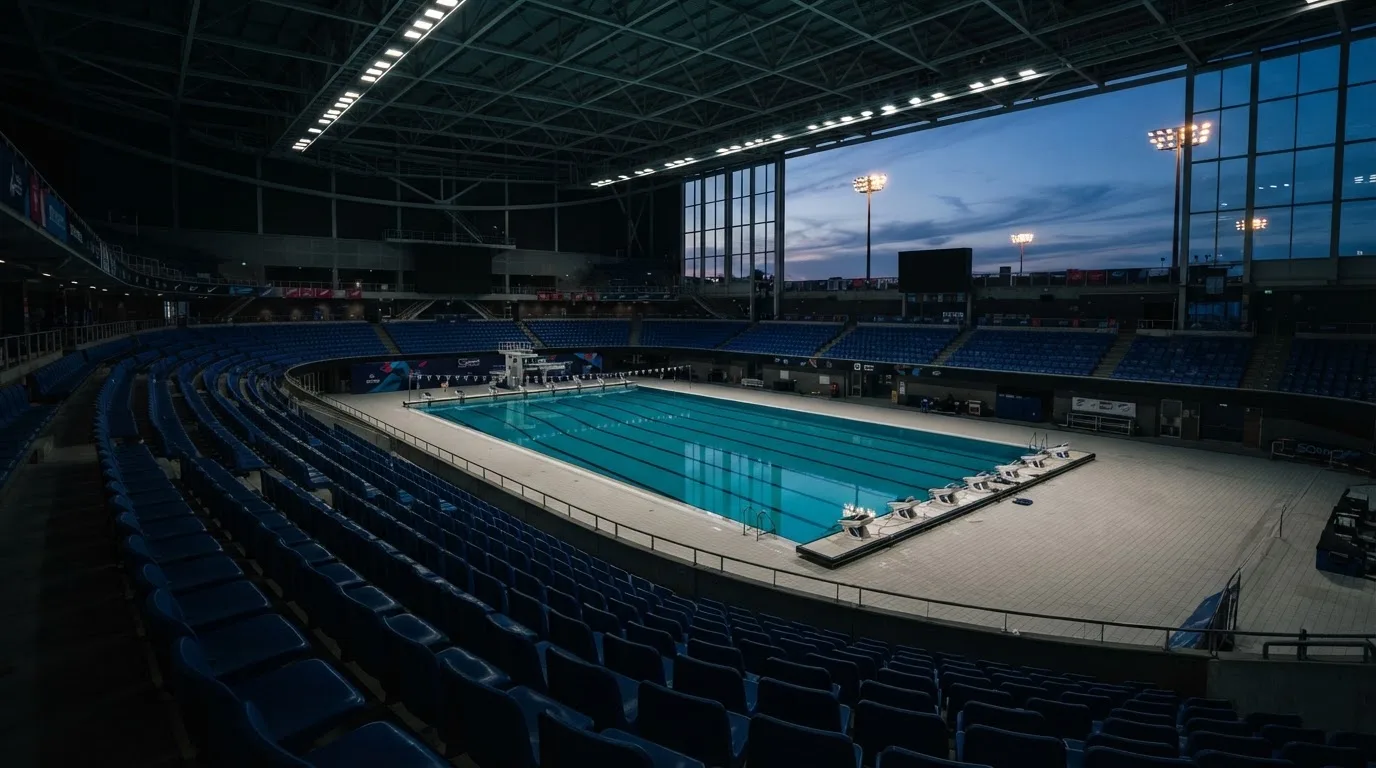
Water polo has Olympic pedigree on both sides of the divide. Men’s water polo was among the first team sports at the 1900 Olympic Games, and women’s water polo became an Olympic sport at the 2000 Sydney Games. A men’s world championship has been staged since 1973, held within the wider World Aquatics Championships, with women’s competition added in 1986. For a bettor this matters: the deepest water polo fixture lists at a major British bookmaker arrive in step with the World Aquatics cycle and the Olympics, and thinnest in the months in between.
Because the game is short on goals and long on fouls, the markets bookmakers price most confidently are team-based: who wins the match, who wins a given quarter, the handicap line and total-goals markets. A bookmaker with a working pre-match and in-play setup will tend to extend into specific quarters and, around finals, into player-prop markets. That mix varies by operator, and the depth of it is one of the things the comparison below actually tests.
Fixtures and competitions and how to follow them
The calendar a British punter really cares about runs on a two-to-four-year cadence rather than a weekly one. World Aquatics hosts the senior World Championships, and an Olympic cycle introduces a water polo tournament every four years. In between sit continental championships and the season-long domestic leagues of the bigger federations — the Hungarian league, the Spanish league, the Italian league, the Serbian Super League and so on — which several British bookmakers list when the season is live. International club competitions also surface: the Champions League, the LEN Euro Cup and the LEN Conference run alongside the domestic cups.
Coverage at a typical UK-licensed sportsbook tends to focus on three layers. The top layer is the World Championships and the Olympic tournament, where pre-match and in-play markets are usually available from the group stage onwards, and where outright and group-winner markets open well in advance. The middle layer is the continental senior championships and the qualification cycle — markets tend to be match-winner, handicap and totals, and pricing is generally tighter than in the lower layers because the betting public is wider. The lowest layer is the domestic leagues and club competitions; here markets can be patchy by operator, and outright markets appear mostly around the playoffs.
The practical consequence is that the depth of a bookmaker’s water polo list at any given moment is a function of where in the calendar one is. Around a World Championships or Olympic tournament the bigger UK operators carry deeper coverage. Off-season the same operator may offer only outright markets for the next major or nothing until the next weekend of fixtures reappears. A punt planning to bet on water polo regularly is well served by comparing what is on offer across more than one bookmaker during the quiet months, rather than assuming one site will price the whole calendar on its own.
Statute, licence and the legal frame
Water polo betting in Great Britain is licensed through the Gambling Commission rather than listed in a statute of permitted sports. Great Britain — England, Scotland and Wales — sits under the Gambling Act 2005, with a separate, older regime still applying in Northern Ireland. The Gambling (Licensing and Advertising) Act 2014 brought the regime to where it now stands: an operator whose remote facilities are used in Great Britain needs a Gambling Commission licence wherever that operator is based. A Curaçao, Maltese or Gibraltar licence alone is not a substitute — only a Commission-issued remote operating licence works. The Commission’s public register can be searched by business name, trading name, domain or account number and is the whole test of whether a brand holds a current licence; no bookmaker should be described as licensed without that register confirming it.
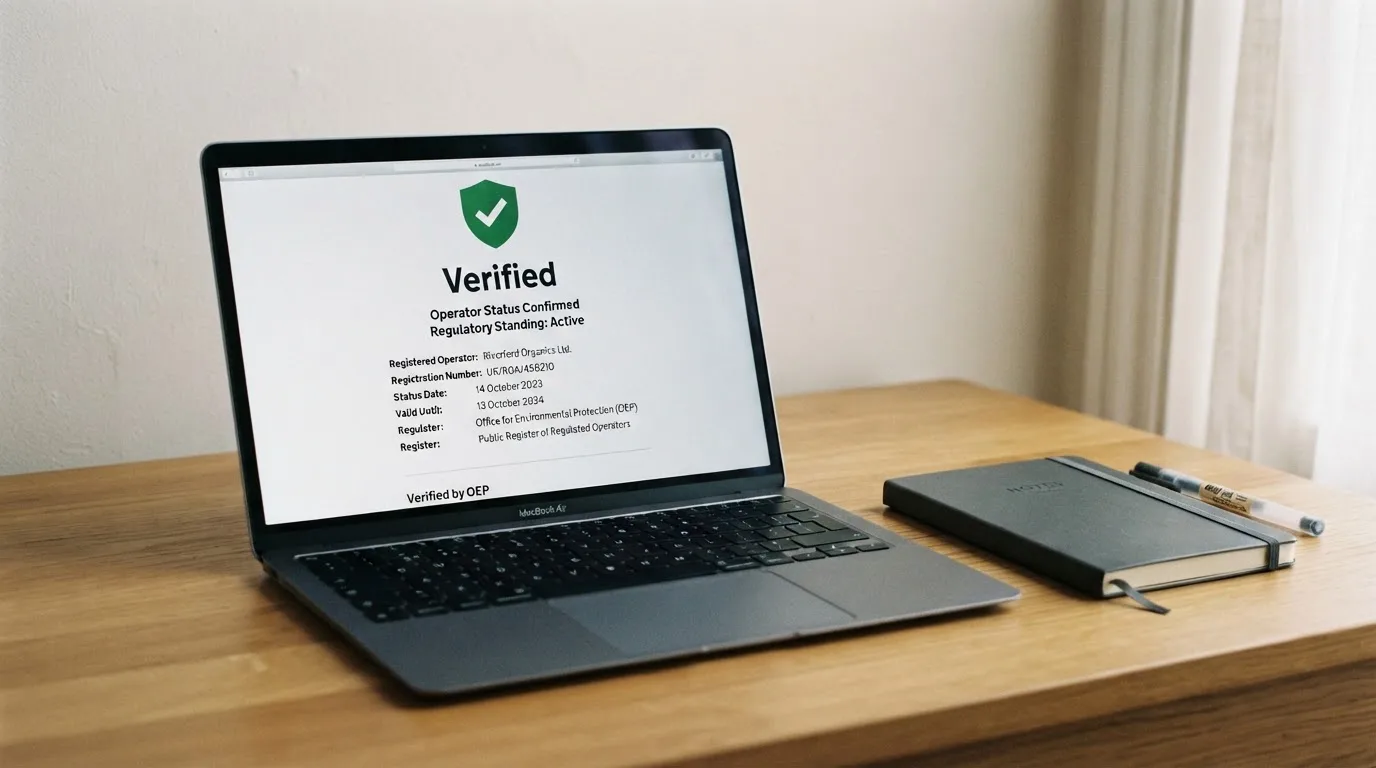
The ten operators reviewed below each hold a remote general betting standard (real events) licence from the Commission, the relevant category for fixed-odds betting on real sporting fixtures including water polo. (Other remote categories cover virtual events, pool betting and the betting-intermediary structure used by exchanges; none of those is needed to fix a price on a water polo match.) Operators may use a .co.uk or .com domain or both — the domain proves nothing either way. Several brands can be operated under one licensed company, which is why this guide lists the licence holder alongside the brand rather than treating each retail name as an independent bookmaker.
There is no statutory list of permitted bets in Great Britain: what each bookmaker offers is set out in its own terms and is constrained by the Commission’s Licence Conditions and Codes of Practice. Identity verification has been mandatory before the first deposit and first wager since 7 May 2019, including where the wager is a free bet or bonus — there is no anonymous play at a licensed remote bookmaker. Credit cards have been banned as a funding method for any gambling in Great Britain since 14 April 2020, and the ban extends to credit-card-funded payments via an e-wallet. Debit cards and bank-based payments are not caught by the rule.
Offshore, the picture is different and sharper. A bettor using a bookmaker that does not hold a Commission licence gives up a stack of protections that are otherwise built in by default: there is no GAMSTOP coverage, no Commission complaints route, no approved dispute-resolution service, no automatic participation in the bonus cap or the financial-vulnerability check, and no clear British route to recover funds that are withheld. Whether the customer commits an offence by betting on such a site is a different question and the published legal guidance is thin, but the practical and consumer-protection cost of doing so is the right point to weigh. The Commission’s enforcement is disruption-led — cease-and-desist notices, search-engine and payment-rail referrals — and from time to time court-ordered DNS blocking powers have been granted or have been about to be granted. None of this makes an unlicensed site “safe”.
The tax position is set out separately and is simpler than it looks from the outside. A British punter pays no tax on betting winnings in Great Britain — that is general information rather than tax advice, and a professional gambler should ask HMRC or an adviser. General Betting Duty is the operator’s tax on its gross profits from betting and currently runs at 15%; from 1 April 2027 a new remote betting rate of 25% takes effect within it, while remote bets on UK horse racing, bets on self-service betting terminals in licensed premises, pool betting and in-person betting stay at 15%. The Commission also raises a statutory levy, which is a separate charge, not a tax. There is no established rule that operators pass duty through in prices; the customer pays the price the bookmaker quotes.
Safer play and the controls a licensed bookmaker must offer
Every bookmaker licensed for remote betting in Great Britain is part of GAMSTOP, the national multi-operator online self-exclusion register. Self-exclusion can be set for six months, one year, five years, or five years with auto-renewal. After the minimum period the exclusion stays in place for a further seven years unless the customer asks GAMSTOP to lift it. GAMSTOP covers online sites and apps; separate arrangements apply to betting shops.
Alongside GAMSTOP, three pieces of structural protection apply to every licensed remote bookmaker. First, identity verification — name, address and date of birth — must complete before a customer’s first deposit and first wager, which means there is no question of a punt being placed anonymously. Second, since 30 August 2024 a financial vulnerability check has applied under Licence Conditions and Codes of Practice condition 3.4.4, and since 28 February 2025 the trigger for it in practice has been deposits minus withdrawals exceeding £150 in a rolling 30-day window. The check is a public-record check — bankruptcy, county court judgments and the like — not an income check and not a credit-reference check. Third, deposit limits under the Commission’s Remote Technical Standards (RTS 12): operators must offer a gross deposit limit over a fixed time frame; the first phase of the changed rules has applied since 31 October 2025, with a second phase on deposit-limit design postponed to 30 September 2026 and its live status not established. The Commission separately announced a staged plan on financial risk assessments on 7 July 2026 with no start date, so “announced and staged” is the right framing rather than “in force”.
Beyond the structural rules, every licensed operator offers its own safer-gambling toolkit: deposit limits the customer can set themselves, time-outs, reality checks, product restrictions and full self-exclusion. There is no state-set maximum stake or loss in sports betting in Great Britain; the limits a customer sees are either self-imposed or set by the operator under its own commercial judgement. Self-imposed limits are a customer’s strongest single lever, and several bookmakers also run an affordability journey where spending patterns prompt a conversation that may lead to a temporary reduction or block on play.
If play stops feeling like entertainment, the support routes in Britain are well established. GamCare runs the National Gambling Helpline; GambleAware funds treatment and signposts services; NHS gambling clinics operate in several regions; Gamblers Anonymous runs local meetings. Most licensed bookmakers publish these routes at the foot of the safer-gambling page and inside their account menus. The argument for using a licensed operator is not that it removes risk — nothing does — but that it places a customer inside a regulated framework with a defined complaints route and a duty of care; it is the difference between a market that is policed and one that is not.
Promotions and what they really cost
A welcome offer at a UK-licensed bookmaker is the most visible line on the marketing page and the most carefully qualified line in the small print. As of 19 January 2026, the Commission has capped wagering requirements on bonuses at 10x — meaning a £10 bonus at a 50x turnover would have required £500 of qualifying bets, and that level of rollover is no longer permissible. A bonus under the cap takes no more than £100 of bets per £10 of bonus to clear; a higher rollover breaches the rule. The cap does not cover free bets with no wagering condition, and it does not impose a money-value ceiling on a bonus; it tackles the playthrough side of the offer rather than its headline value.
A second rule that runs in parallel is the ban on mixed-product promotions. An offer that requires a customer to bet on football in order to claim free spins, or to play slots in order to unlock a sports free bet, is no longer allowed. Most welcome offers at licensed operators have moved to a clean single-product structure as a result, where the bonus triggers on sports and is paid out in sports free bets, or triggers on casino and is paid out in casino bonus funds, with no cross-product hook between the two. This has tidied up what was once a deliberate maze of linked products and has made the small print easier to read in a single sitting.
A free bet at a licensed bookmaker is paid out as a free bet rather than as cash, and — with rare exceptions marketed as such — the free-bet stake is not returned with a winning bet. In practice that means a £10 free bet placed at evens (2.00 in decimal) wins £10 of profit, not £20 of return. Some operators make the stake-returned feature the headline of an enhanced offer; those offers exist and the rule is to read the small print before treating them as the same. A price boost, by contrast, raises the price on a real market without the deposit and rollover structure of a bonus, which is why boosts on water polo and other niche sports tend to be priced tightly and applied to short windows.
Several welcome offers sit in the current market. Midnite’s new-customer sports offer gives £25 in free bets and 50 free spins after a qualifying bet of £5 at decimal odds of 2.00 or greater, with the qualifying bet placed within 14 days of sign-up and the free bets valid for 7 days; the structure is a small stake-in, larger payout-out with short validity on the back end. BetMGM’s sports welcome offer for new UK customers who deposit £10 and place a sports bet within 7 days pays out four £10 free bets — two football accumulators of four or more selections and two sports multiples of two or more — with the free bets valid for 7 days and minimum-odds and opt-in conditions attached. Betway runs a recurring Free Bet Club rather than a once-only welcome: after opt-in, £25 of sports spending in a week earns two £5 free bets in the next. Tote, Bet600 and DragonBet follow a more racing-focused pattern, with Best Odds Guaranteed on the horses one of the recurring features — Best Odds Guaranteed on Bet600 pays any horse-racing bet at the bigger of the price taken and the starting price.
None of this should be read as a recommendation; the point is mechanical. A bonus is a marketing cost the bookmaker recoups in margin, and the cost to the customer is the rollover and the validity window. A short, bankroll-sized punt played at minimum odds 2.00 is a different proposition from a long-odds acca played to clear rollover: the first has a sensible negative expectation in line with the margin of the market, the second has the margin plus the bonus cost layered on top. Treat every promotion as a price and read the rules before opt-in.
Odds, markets and how a price is built
A British bookmaker quotes odds in fractional form by default — 5/1, 11/4, evens — and decimal odds on the betting slip — 6.00, 3.75, 2.00. The conversion runs in one direction: a/b in fractional becomes (a ÷ b) + 1 in decimal, so 5/1 becomes 6.00, 11/4 becomes 3.75 and 1/1 (evens) becomes 2.00. Once a price is in decimal form, the return on a winning single follows a single line of arithmetic: return = stake × odds, profit = stake × (odds − 1). A £10 single at 6.00 returns £60; a £10 single at evens returns £20 (£10 of profit plus the stake). Each leg of a combination bet has its own decimal price, and the prices multiply: a four-leg treble at 2.00, 3.00, 4.00 and 5.00 is one bet at 120.00, and the same £10 stake returns £1,200 if every leg wins.
What the bookmaker keeps of every pound staked on a market is called the margin or the overround, and it sits inside the prices themselves. Take a simple two-way market priced at decimal 1.90 on each side — fractional 9/10 against each outcome — and the arithmetic runs: implied probability of each side is 1 ÷ 1.90 = 0.5263; add the two implied probabilities and the total is 1.0526; the payout share, the proportion of every unit wagered that the market returns to bettors on average, is 1 ÷ 1.0526 = 0.95, or 95%; the margin, what the bookmaker keeps, is 1 − 0.95 = 0.05, or 5%. So on this example the margin sits close to 5% — a competitive number for a flagship 1X2 football match or a deep tennis market, and not what a punter should expect on a niche water polo fixture on a quiet weekend.
In practice water polo markets tend to run at much wider margins. The bigger the event — a World Championships knockout, an Olympic quarter-final — the closer the price will get to a 5–8% margin, because the betting public is wider and the bookmaker has more competition to defend against. The further down the calendar — a league fixture in mid-table Hungary, a group game at a continental event few bookmakers have priced — the wider the margin runs, often into the high single digits and the mid-teens, and on the smallest fixtures it can climb towards 20%. The same calculation gives the punter a direct diagnostic: divide the implied probabilities of every outcome of a market, sum the result and subtract from 2 (for a two-way market) or from 3 (for a three-way market); the gap is the margin; a wider gap is a thinner price.
The markets a typical licensed operator carries on a water polo fixture are mostly win-market and totals-market. Match winner (home, away or draw where the regulation permits a draw), handicaps, total goals over/under, winning margin, race-to-N-goals where the bookmaker has priced it, and — around bigger fixtures — player-prop markets like first scorer or first-half result. Live in-play markets add another layer once play is under way: next goal, quarter winner, race to N goals in a quarter. The depth of these in-play markets depends on the operator: a bookmaker with strong in-play infrastructure on niche sports will tend to refresh prices throughout a match, while a smaller bookmaker may suspend and re-open only at quarter breaks.
Two structural features of a bet slip deserve a separate look. Cash out lets the customer settle a bet early at a price set by the bookmaker, which is often materially worse than the underlying market at that moment; it is a tool, not a free option. Each-way betting is a racing term used on horse racing rather than water polo, but the same idea — a win bet plus a place bet at a fraction of the win stake — does apply to some outright markets and tournament futures. A bet builder on a single water polo match is rare because water polo fixtures do not usually carry the depth of markets a builder needs to populate; on the bigger events a larger bookmaker may add it. Spread betting is a different product entirely and is covered by the Financial Conduct Authority in the UK rather than the Commission; one operator in this comparison runs both fixed-odds and spread products in a single app, and the spread half of that product can lead to losses greater than the original deposit, which is the structural detail a spread punter should weigh before opting in.
The reviewed bookmakers
The ten operators below each hold a Gambling Commission remote operating licence for the general-betting-standard real-events category and are listed on the Commission’s public register. They are presented in the order that the licensing record and the comparison of features put them in, not as a ranking of which one a reader should use. The comparison table collapses the licence record to one line per operator and then adds what each bookmaker’s own published terms confirm about its sport coverage and product breadth. The reviews that follow look at each one in turn.
| Brand | Gambling Commission remote licence and holder | What the terms confirm for niche sport |
|---|---|---|
| Midnite | 101839 — Midnite Limited | Real-events general betting standard; in-play pricing; acca builder; popular-accas feed; price boosts with maximum-stake limits |
| Tote | 54779 — TDCO Limited | Pool betting heritage; real-events general betting standard |
| 10bet | 43173 — Blue Star Planet Limited | Football, tennis, horse racing listed; cash out, Bet Builder, live streaming |
| BetMGM | 39198 — LeoVegas Gaming PLC | Real-events general betting standard; sports welcome with multi-bet free-bet structure |
| LiveScore Bet | 56859 — LiveScore Betting and Gaming (Gibraltar) Limited | Bet Builder up to 10 selections; BTTS, corners, total goals, player scoring, card markets |
| Spreadex | 8835 — Spreadex Limited | Fixed-odds and spread combined in one app; cash out (one-click, auto, partial); Bet Builder; live streaming (UK and Irish racing, greyhounds, tennis, NFL, selected football) |
| Bet600 | 44731 — Tyche Tech Limited | Real-events general betting standard; Best Odds Guaranteed on horse racing |
| DragonBet | 64908 — DragonBet Ltd | Welsh football and rugby listed alongside racing and American football; in-play and Bet Builder confirmed |
| London Bet | 66162 — Thistle Bet Limited | Football, tennis, horse racing, greyhounds, darts, golf, cricket, NFL, NBA, MLB, snooker listed; live in-play confirmed |
| Betway | 39372 — Betway Limited | Real-events general betting standard; Free Bet Club on a recurring weekly basis |
Midnite — built for live and build-up
Midnite’s licence sits on the Commission’s register under account 101839, with Midnite Limited as the licence holder. The site’s own description highlights live events, an acca builder, popular accas and price boosts, with maximum-stake limits attached to the boosted prices so the operator does not eat its own margin on a heavily-backed play. The catalogue is positioned around in-play and around multi-leg combinations, which means the sportsbook at any given moment is more useful for fixtures with both — a Champions League night, a finals weekend — than for a fixture that is thin on markets.
On a water polo weekend during a major tournament Midnite should carry pre-match and live markets on the headline games; off-tournament the depth drops. The welcome offer is the £25-in-free-bets-and-50-free-spins structure after a £5 qualifying bet at minimum odds 2.00 within 14 days, with the free bets valid for 7 days — a compact offer that costs little to claim and gives genuine exposure to live markets during the validity window. The verdict for a punt that weighs the bookmaker’s whole position: Midnite is the one in this set with the strongest live and acca focus, and that focus makes it useful for in-running water polo work around a big tournament and for combining a small number of small markets on a quiet weekend.
Tote — the pool-betting heritage
Tote sits under Commission account 54779 with TDCO Limited as the licence holder. Tote’s reputation was built on pool betting on British and Irish racing, and the modern product has carried the pool mechanics over into the online era while picking up a full sportsbook under its remote general betting licence. The structure differs from a standard fixed-odds bookmaker: customers bet into a pool rather than against the book, and dividends are declared after the event closes.
For water polo the relevant point is that the licence category permits the market, not that the catalogue will always carry it. A punt who likes Tote’s pool structure on racing should check whether the niche sports are priced on the day; a punt who mostly wants fixed-odds water polo should pair Tote with another bookmaker on this list. The verdict for this guide: Tote is the operator for readers who prefer pool mechanics over fixed-odds margins, and a useful hedge in the racing-heavy months rather than the primary site for a niche-sports punt.
10bet — mainstream depth and product mix
10bet’s licence account is 43173, with Blue Star Planet Limited the licence holder. The published terms confirm coverage of football, tennis and horse racing at the head of the sports book, with cash out, Bet Builder and live streaming as the headline product features. Live streaming on a mainstream bookmaker at this size is the structural feature that lifts it for niche sports — a customer who can watch a fixture while the price is updated gets a far better in-running experience than one betting in the dark.
Water polo falls into the catalogue under the general-events licence rather than as a separately listed sport. The depth is the question a reader should resolve in the live lobby before staking on a smaller fixture. The verdict: 10bet is the bookmaker in this set where the product mix — cash out, Bet Builder, live streaming on the bigger fixtures — makes the difference between betting on a market one can see and betting on a market one can only read. The premium is on the mainstream events; the niche events take the same product features where they are listed.
BetMGM — the welcome offer’s structure
BetMGM’s licence sits under Commission account 39198, with LeoVegas Gaming PLC as the licence holder. The new-customer sports offer at BetMGM takes £10 in cash in the form of a deposit and a first sports bet and pays out four £10 free bets in return — two football accumulators of four or more selections and two sports multiples of two or more — valid for 7 days and subject to minimum-odds and opt-in conditions. The structure of the offer is the headline point: the four free bets are split by market type, which makes the offer genuinely useful for a customer who bets multiple football accas and a separate sports bet on the same week and cumbersome for a customer whose one bet a week is a single on something else.
Beyond the welcome, the licence category covers water polo with no separate carve-out. The depth on the niche sport depends on the calendar. The verdict: BetMGM is the bookmaker here whose welcome offer is the most clearly engineered for a football and multi-sports accumulator customer rather than a single-event customer, and a punt who fits that pattern will extract more value from the offer than a punt who does not.
LiveScore Bet — the deepest Bet Builder
LiveScore Bet’s licence account is 56859, with LiveScore Betting and Gaming (Gibraltar) Limited the licence holder. The Bet Builder is the differentiating product: the published terms allow up to 10 selections in a single Bet Builder bet, across match result, both teams to score, corners, total goals, player scoring markets and card markets. On a sport with a deep catalogue of in-game markets — football principally — that selection ceiling is genuinely large; on water polo the ceiling matters only when the bookmaker has priced the underlying markets on a single fixture to feed it.
For a water polo fixture on a big tournament LiveScore Bet may well run a Bet Builder on the match-winner and totals combination; on a smaller fixture the same bookmaker may be Bet Builder-only on the result. The verdict for a punt shopping around: LiveScore Bet is the bookmaker for the customer whose single bet is a custom-built packet of markets on one fixture, and where the catalogue supports it the Bet Builder is the strongest tool in this comparison for matching one event with a stack of conditions.
Spreadex — fixed-odds and spread in one app
Spreadex’s licence account is 8835, with Spreadex Limited the licence holder. Spreadex runs under two regulatory umbrellas — the Financial Conduct Authority for its financial spread-betting products and the Gambling Commission for its fixed-odds sportsbook — and the two sit in a single app. The published features include one-click, auto and partial cash out, Bet Builder across fixed odds and spreads, and live streaming of UK and Irish horse racing, greyhounds, tennis, NFL and selected football.
A customer using only the fixed-odds half of the app gets a standard bookmaker experience. A customer who steps into the spread half should know that losses on a spread bet can exceed the original deposit; that is the structural detail the spread side makes plain on its own pages and that the fixed-odds side does not. For water polo the spread half is unlikely to carry the fixture as a liquid market; the fixed-odds side carries it through the general-events licence. The verdict: Spreadex is a choice for the customer who wants a dual-product app — fixed-odds and spread — in a single interface. A single-product punter gets a standard bookmaker experience here, but the active spread trader is the one getting the core utility of the product.
Bet600 — Best Odds Guaranteed on the horses
Bet600’s licence account is 44731, with Tyche Tech Limited the licence holder. The bookmaker’s published feature is Best Odds Guaranteed on horse racing: if the starting price is bigger than the early or show price the bettor took, the bet is settled at the SP. That is the standard BOG mechanic that bigger books have offered for years, and on a small operator it tends to be the single feature the whole marketing leans on.
For a niche-sports punt Bet600 is better understood as a complementary bookmaker than a primary one — racing with BOG pairs neatly with a water polo bookmaker elsewhere in the set. The general-events licence covers water polo as a category, but the depth of a niche market at a smaller bookmaker is the right question to resolve on the day. The verdict: Bet600 sits squarely as a specialist racing bookmaker. The general-events coverage is there, but a customer interested in the niche sport should treat the bookmaker as a secondary option for the fixtures the main catalogue misses.
DragonBet — the Welsh-market focus
DragonBet’s licence account is 64908, with DragonBet Ltd the licence holder. The app’s published focus covers Welsh football and rugby markets alongside racing, American football, in-play betting and Bet Builder markets. The Welsh-side focus is the structural feature that makes DragonBet a different operator from the rest of the list — it is a regional brand running on a national licence, and the markets on Welsh sport are deeper than at any UK bookmaker where Welsh football is a side-bar.
Water polo is not a featured sport in the way that Welsh football is for DragonBet, but the general-events licence permits it. A punt who bets Welsh football regularly will pick up value the rest of the list does not offer on that side of the market and will treat DragonBet as a useful complement for the niche sport. The verdict: DragonBet is the standout choice for Welsh-sport bettors, but a niche-sports enthusiast should verify the fixture list directly in the app. It provides value where its regional catalogue excels, but the aquatic-sports depth varies.
London Bet — the broad catalogue
London Bet’s licence account is 66162, with Thistle Bet Limited the licence holder. The published terms confirm a wide sport book — football, tennis, horse racing, greyhounds, darts, golf, cricket, NFL, NBA, MLB and snooker — alongside Pragmatic Play casino slots and live in-play markets. The breadth is the headline feature: this is one of the broader sport books on this list and the casino catalogue is bundled into the same product rather than run as a separate site.
For water polo the breadth is positive but not directly water-polo-shaped — the listed catalogue covers the sports that pay the operator’s bills and the niche aquatic markets appear on the licensed-event basis the way they do everywhere else. The verdict: London Bet is the choice for the punter who prefers a single-site solution for a broad catalogue of sports and a casino. The niche pricing is standard across the list, and it functions best as an all-in-one entertainment site.
Betway — the Free Bet Club
Betway’s licence account is 39372, with Betway Limited the licence holder. The product feature Betway leans on is the Free Bet Club: opt in once a week and £25 of qualifying sports staking earns two £5 free bets in return, week after week. The mechanic turns a sportsbook into a recurring-reward product for a regular punter, and that is the structural reason Betway is on this list rather than a punt-only welcome.
For water polo specifically, the same general-events licence as the rest of the list applies and the depth of a specific market depends on the moment in the calendar. The verdict: Betway earns its place for the consistent weekly bettor. Rather than the one-off headline bonus, it prioritizes the recurring loyalty return, making it a reliable destination for the punter who stays rather than the punter who shops for a welcome.
Frequently asked questions
How can it be checked that a bookmaker holds a Gambling Commission licence?
The Gambling Commission’s public register allows a search by business name, trading name, domain or account number and lists every operator’s licence status, the licence categories held and the trading names covered by each licence. Searching for the brand name or the licence account number quoted on the bookmaker’s terms page is the check to run before depositing; the licence account should appear with a current status and a real-events betting category attached.
How is the return on a bet worked out from the stake and the odds?
The formula is return = stake × odds, with profit = stake × (odds − 1). A £10 single at decimal odds 2.00 (evens) returns £20 and pays £10 of profit; the same stake at 6.00 returns £60 and pays £50. For a combination bet the decimal odds of the legs multiply together to give the combined price the slip shows.
What is the bookmaker’s margin and how can it be seen in the odds?
The margin sits inside every set of prices on a market and is what the bookmaker keeps of every unit wagered. Add the implied probabilities — 1 ÷ odds in decimal — across every outcome on a market; the result overstates 1 by the margin. On a two-way market at 1.90 and 1.90 the implied probabilities sum to 1.0526, the payout share is 95% and the margin is 5%; on a niche sport the gap is typically wider.
How do fractional odds such as 5/1 convert to decimal odds such as 6.00?
The conversion is a/b in fractional becomes (a ÷ b) + 1 in decimal. So 5/1 is (5 ÷ 1) + 1 = 6.00; 11/4 is (11 ÷ 4) + 1 = 3.75; evens, written 1/1, is (1 ÷ 1) + 1 = 2.00. Once a price is in decimal form the return and the implied probability follow the same arithmetic irrespective of the original representation.
Which tools for controlling play does a licensed bookmaker have to offer?
Every bookmaker licensed for remote betting in Great Britain is part of GAMSTOP, the national multi-operator self-exclusion register, and each runs its own safer-gambling toolkit: deposit limits set by the customer, time-outs, reality checks, product restrictions and full self-exclusion. A financial vulnerability check applies once deposits minus withdrawals exceed £150 in a rolling 30 days, and customers can also reach GamCare, GambleAware, the NHS gambling clinics and Gamblers Anonymous directly outside the operator.
US & other team sports – Darts betting
Content created by the «Darts betting» team
