
Best betting sites with Google Pay for £GB punters, ranked
 Available in US
Google Pay works on most Android phones, on most watches and on any browser that supports it. The question for a £GB punter is narrower than “which app takes it”: the question is which Gambling Commission‑licensed bookmaker takes it, at what minimum, on what return route and under what safer‑gambling controls. This comparison walks through those four. The set is reviewed by the criteria research and the Commission’s public register support, not by who advertises hardest.
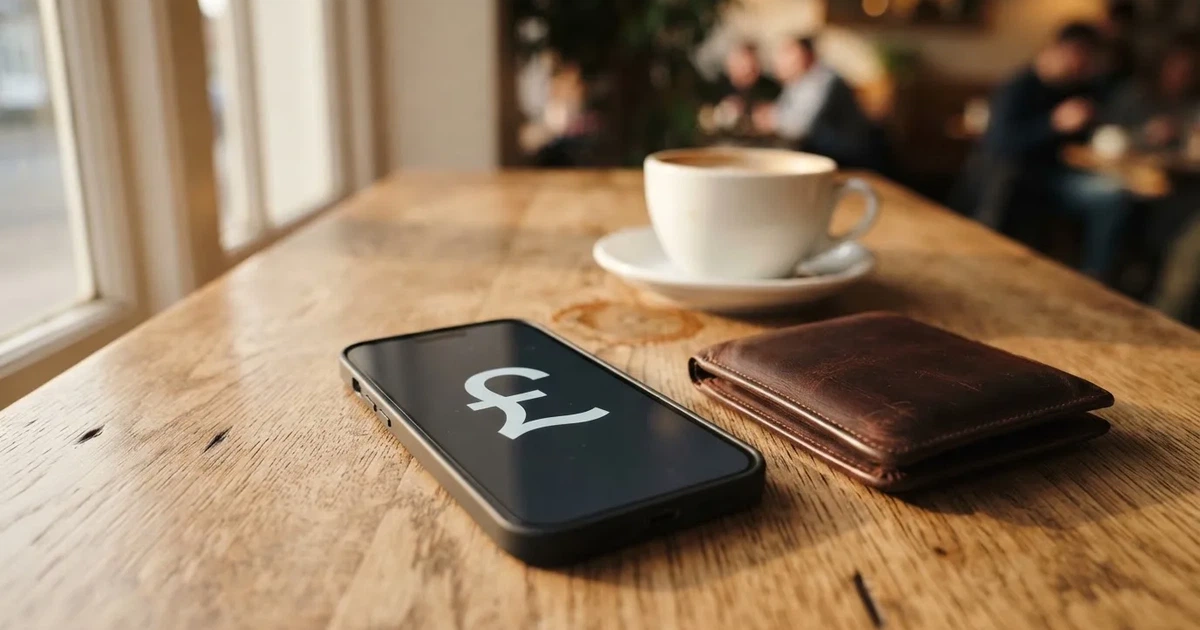
_Current as of 27 October 2026 — checked against the Gambling Commission public register and each operator’s own published terms._
How Google Pay actually moves money at a UK bookmaker
Google Pay is not a bank account. It is a front end that holds tokenised versions of the debit cards and bank accounts a user has added, and pays online and in‑app from those sources. When a punter pays a bookmaker through Google Pay, the bookmaker receives a card or bank payment routed through Google — not a direct transfer from the phone. Three things follow.

First, the deposit shares its ceiling with the card behind it. Debit cards, Apple Pay and Google Pay deposits are subject to a £GB bookmaker’s usual card minimum, often £5 or £10, and a single monthly cap the card issuer sets. Credit cards are a separate case (see below): the ban covers any route the credit card pays for, including e‑wallets.
Second, returns on a winning bet need a payout rail, and Google Pay usually is not one. Most operators will not push a withdrawal back through Google Pay because Google Pay is, on the betting side, a one‑way push. The handful that do it as a refund of the original deposit route the money back to the same card token; everything else goes to a bank withdrawal, an e‑wallet like PayPal or Skrill, or a bank transfer.
Third, identity is checked before the first deposit at any licensed site. Google Pay’s tokenisation hides the card number, but the customer’s name, address and date of birth still go to the bookmaker the moment they sign up, and an automated or manual check confirms them before a stake is allowed. Anonymous play — in the sense of “no name asked, no ID checked” — does not exist at a Commission‑licensed operator, regardless of payment method.
What that means at the cashier is simple: Google Pay is a fast, fingerprint‑confirmed debit card for deposits, and it has nothing to do with whether the bookmaker is licensed, whether withdrawals are fast, or whether a free bet is a free bet.
The legal floor under any £GB Google Pay bettor
The Gambling Commission is the regulator for Great Britain under the Gambling Act 2005. Any operator offering remote betting to customers in England, Scotland or Wales needs a Commission licence, regardless of where the operator itself is incorporated. Since the Gambling (Licensing and Advertising) Act 2014, that rule applies to every operator with remote facilities used in Great Britain — Curaçao, Malta or Gibraltar licences do not substitute for a Commission licence.

The Commission publishes a public register that lets a customer check a brand by its name, its domain or its account number. A licence number on a footer is a start; the register is the test. Every reviewed brand in this article has a Commission account number and is searchable on the register, and that fact is itself part of the verdict on the brand — not an aside.
Operators and customers are bound by the Licence Conditions and Codes of Practice, the LCCP. From that code several rules follow that touch any punter who funds an account through Google Pay:
- Minimum age for betting is 18.
- Identity, address and date of birth are verified before a customer can deposit or gamble. That check applies with a free bet or bonus as much as with real cash.
- Credit cards have been banned for gambling since 14 April 2020. The ban covers credit‑card‑funded payments through an e‑wallet, so a credit card added to Google Pay will not load a betting account at a licensed bookmaker.
- GAMSTOP, the multi‑operator self‑exclusion scheme, is a mandatory licence condition for every online operator.
- Wagering requirements on bonuses are capped at 10x the bonus value, and mixed‑product offers requiring play on two or more product types — for example “bet on football to get free spins” — are banned. These rules shape what a welcome offer is worth in practice, on every reviewed brand below.
A bookmaker licensed to take bets from Great Britain is the only kind a sensible punter uses. A bookmaker licensed elsewhere is not “the same thing, different paperwork”: there is no GAMSTOP coverage, no Commission complaints route, no approved dispute‑resolution service, no protection under the 10x cap and no guarantee that British consumer law will reach funds an operator decides to withhold. None of the brands below falls into that case, but it is the floor under any Google Pay search, because a “best site” outside the licence is a footnote with no protection at all.
Safer gambling on a Google Pay bookmaker account
The safer‑gambling picture at a £GB Google Pay bookmaker is set by the LCCP, not by the brand. The same baseline applies to every operator reviewed below.
Every online bookmaker in this comparison registers with GAMSTOP, the national multi‑operator self‑exclusion scheme. Self‑exclusion periods are six months, one year, five years, or five years with auto‑renewal. Once the minimum period expires the exclusion stays in force for a further seven years unless the customer contacts GAMSTOP to lift it. GAMSTOP covers online sites and apps; high‑street betting shops use a separate in‑shop service.
Operators must offer deposit limits under the Commission’s remote technical standards, with phased roll‑out since 31 October 2025 and a second phase whose start date is not established. The right to set a hard ceiling on what goes in, week by week or month by month, sits with the customer. There is no statutory maximum: the operator’s job is to give the tool and the customer’s job is to use it. Spreadex — covered on a wider spread‑betting landscape — is regulated by the Financial Conduct Authority for financial spread bets and by the Gambling Commission for fixed odds, with the important note that spread betting losses can exceed deposits on the financial side. The wagering‑multiple cap of 10x on bonuses (see “Bonuses and what they actually cost”) prevents a bonus from being a casual cash machine with hundreds of pounds of turnover to clear.
Help exists outside the bookmaker. GamCare runs the National Gambling Helpline (24/7, free). GambleAware funds treatment and education. The NHS runs gambling clinics in several regions. Gamblers Anonymous runs mutual‑help meetings. Links to these organisations are present, and required, on every reviewed brand’s safer‑gambling page.
A Google Pay deposit does not change any of this. The same controls apply; the same help lines work; GAMSTOP covers the same set of accounts. What changes is the smoothness of the deposit, not the framework around it.
Crypto, anonymity and the limits of “no‑ID” Google Pay betting
Some search queries pair Google Pay with anonymity or with cryptocurrency. The honest reading, for a £GB punter, comes from the legal floor: every Commission‑licensed bookmaker verifies identity before the first deposit, no matter the funding method. “Anonymous Google Pay betting” at a licensed site does not exist, because the licence requires the check.
For bets paid in cryptocurrency, the picture narrows further. No Commission‑licensed British bookmaker takes crypto deposits as a matter of course: the licences the Commission issues cover fiat‑currency betting, and crypto‑only operators tend to be licensed offshore. An offshore operator is not a Commission licence however good the site’s terms read: it has no GAMSTOP duty, no LCCP standards, no 10x bonus cap, no recourse to the Commission if funds are withheld.
The short version: a £GB punter who wants Google Pay deposits on a regulated site accepts identity verification as the price of admission. That is not a contradiction in the offer — it is what “regulated” means in Great Britain.
Bonuses and what they actually cost on a Google Pay bookmaker
Every reviewed brand runs a sports welcome offer. None of them prints a promo code on the homepage, and the comparison below stays qualitative on the type of offer, the qualifying bet and the expiry. Three points carry across all four reviewed brands.
“Free bet” means the stake is usually not returned
A free bet that pays the winnings only — without returning the free‑bet stake — is worth less than its face value to anyone betting on odds below a certain threshold. Coral issues £40 in free bets for a £20 qualifying bet at minimum odds of 2.00 (1/1), free bets expire 7 days after issue and must be claimed by new GB customers who opt in. Unibet runs the same headline: £40 in free bets for £20 at minimum odds 2.00, expiring within 7 days, but it requires a debit card or instant bank transfer. A Google Pay deposit — funded from a debit card on the back end — usually counts for the Unibet offer, but the punter checks the qualifying payment methods before staking. Vbet’s welcome is a £10 free bet if a verified new customer’s first £10 bet loses: a stingback‑style free bet, not a deposit bonus. Bet Ahoy’s package is built around acca mechanics rather than a cash bonus: a 10% Acca Bonus up to £1,000, Sub‑Cover for player substitutions, Best Odds Guaranteed on UK and Irish racing capped at £100, and a Double Result payout on UK and Irish racing.
Wagering conditions are capped at 10x, mixed‑product offers are banned
The Commission’s promotion rules cap bonus wagering at 10x the bonus value, with no mixed‑product offer allowed. A £10 bonus at the rule’s old 50x would have meant £500 of qualifying bets; under the current cap no more than £100 in turnover on a £10 bonus. The cap does not apply to every promotion — free bets with no wagering condition sit outside, by the rule’s own wording — but any bonus a Commission‑licensed bookmaker advertises with turnover to clear is capped at 10x.
Expiry is short and stake is not paid back
Coral’s free bets expire 7 days after issue; Unibet’s expire within 7 days; Bet Ahoy’s acca bonus terms run on the operator’s published rules. None of the welcome offers carries a wagering multiplier above 10x under the LCCP cap, and that is the floor the operator legally cannot undercut. A free bet whose face value looks large on the page reads larger than it is to clear, because the stake does not come back with the winnings.
What “minimum odds 2.00” actually filters out
A welcome offer that requires a qualifying bet at minimum odds 2.00 is filtering the punter towards a stake where a single outcome is the realistic case. Reading it the other way, the offer does not want punters parking the qualifier on a heavy odds‑on favourite: that would let the punter convert the bonus into a highly predictable outcome, which is exactly the play the minimum price blocks. There is no deposit or payout guarantee at any bookmaker. Coral and Unibet both set the bar at 2.00 for the same reason. Bet365, by way of context on a wider payments landscape, takes debit card, PayPal and Apple Pay; the comparison is a Google Pay one, but the wider payments universe at a £GB bookmaker covers a similar set of rails with Google Pay added.
Deposits, withdrawals and the Google Pay ceiling
The Google Pay bookmaker question is rarely about whether Google Pay works. The technology has worked on UK debit cards and bank accounts for years. The question is what the bookmaker does with it.
Minimum deposits
Coral, Unibet and Bet Ahoy process Google Pay deposits at the operator’s standard £5 or £10 minimum: the rail mirrors a debit card. Vbet’s qualifying‑bet mechanic is on the stake side, not the deposit side, and the deposit minimum matches the rest of the house. Midnite — covered below as one of the four compared brands — lists Google Pay alongside Visa, Mastercard, Apple Pay and Trustly on its deposit page; the minimum is the house’s standard £5 or £10. DAZN Bet (a wider payments reference) sets a £5 minimum for debit card, Apple Pay, Paysafecard, Trustly and Skrill and a £20 minimum for PayPal, with no processing fees on either route. QuinnBet (a wider payments reference) takes debit cards, Apple Pay, OpenBanking and Revolut cards; it does not accept Skrill or Neteller. These surroundings help frame what a Google Pay operator charges for the same rail at the cashier.
Withdrawals
Withdrawal is the harder rail. Few £GB bookmakers route withdrawals back through Google Pay because Google Pay is set up as a one‑way push from the customer’s device to the merchant. Where a bookmaker does refund via Google Pay, the money returns to the same card token and is subject to the card issuer’s processing time. Most withdrawals go through a bank transfer or an e‑wallet such as PayPal or Trustly.
Bet365 (wider context) processes payouts in line with its terms and supports Face ID login for app users. Midnite’s app positions itself around rapid payouts and weekly rewards clubs on the App Store listing. The wider picture is that Google Pay is great on the way in and limited on the way out, and a punter who plans around it pairs Google Pay with PayPal, Trustly or a debit card for withdrawals.
Bankroll management with Google Pay
Bankroll on a Google Pay account runs the same way it does anywhere else. The usual mechanics still apply: a fixed stake per bet as a share of bankroll, a separate free‑bet bankroll for bonuses, a withdrawal plan that takes the operator’s payout time as a constraint. The faster rail is mostly an ease‑of‑use gain, not a strategic one — a deposit that arrives in two seconds under fingerprint is convenient but does not change the bookmaker’s margin on the next match.
The Google Pay bookmaker shortlist for £GB punters
The four brands below are each searchable on the Commission’s public register under the licence numbers and account numbers shown. Each is reviewed on offer, payments, safer‑gambling posture and the verdict a Google Pay punter should reach. The ranking is by how well each suits a Google Pay‑first punter, not by alphabetical order or by total catalogue size.
| Brand | Gambling Commission licence | Licence holder | Google Pay posture |
|---|---|---|---|
| Coral | 054743‑R‑330863‑014 (account 54743) | LC International Limited | Google Pay deposits at house minimum, same rails as debit cards; payouts by bank transfer, e‑wallet and card refund |
| Midnite | 101839‑R‑342850‑001 (account 101839) | Midnite Limited | Google Pay listed alongside Visa, Mastercard, Apple Pay and Trustly; withdrawals by Trustly, by bank and by card |
| Bet Ahoy | 100094‑R‑341742‑003 (account 100094) | Bet Ahoy Ltd | Google Pay supported via standard rails; app‑first brand with acca and racing mechanics |
| Unibet | 045322‑R‑324275‑019 (account 45322) | Platinum Gaming Limited | Google Pay via debit card funding; welcome offer excludes e‑wallets on qualifying deposits, so a debit‑card route is the safe pick |
Coral — the high‑street stalwart with a Google Pay front door
Coral’s offer is the £40 free‑bet‑for‑£20 standard: deposit and bet £20+ at minimum odds 2.00 (1/1), receive £40 in free bets within 7 days, expire 7 days after issue, for new GB customers who opt in. The minimum deposit covers a Google Pay punt cleanly because Google Pay sits in the same rail as a debit card. Withdrawals go by bank transfer or to the original source and are processed in the operator’s published time. Safer‑gambling tools run on the operator’s standard deposit‑limit, time‑out, product‑restriction and self‑exclusion stack, and links to the operator’s responsible‑gambling partners are present on the site.
The verdict: Coral suits a Google Pay punter who wants a deep catalogue across football, horse racing and in‑play, who values a familiar high‑street backer and who is comfortable with the £20 qualifier and the 7‑day expiry on the free bets. The free‑bet stake is not returned with winnings.
Midnite — the app‑built bookmaker with Google Pay on the deposit page
Midnite runs an app‑first product with weekly rewards clubs, an acca builder, popular accas, price boosts and rapid payouts, all listed on the operator’s site and App Store listing. Google Pay is published as a deposit method alongside Visa, Mastercard, Apple Pay and Trustly. Safer‑gambling links run to GambleAware, GamCare, GAMSTOP and BetBlocker; the standard tools (deposit limit, time‑out, self‑exclusion) apply. The welcome offer is a modest, operator‑specific bundle. The brand is licensed under Midnite Limited on account 101839.
The verdict: Midnite suits a Google Pay punter who bets on the app, who likes a thinner catalogue that focuses on the major sports, and who values weekly rewards club payouts. The free‑bet and bonus mechanics are bespoke to the brand rather than a copy of a larger competitor’s headline.
Bet Ahoy — racing and acca mechanics in an app wrapper
Bet Ahoy advertises itself around an acca bonus up to £1,000, Sub‑Cover for player substitutions, Best Odds Guaranteed on UK and Irish racing up to £100 and a Double Result payout on UK and Irish racing. Google Pay is supported through the standard debit‑card rail. The operator runs under Bet Ahoy Ltd with a Commission account at 100094. The brand’s subject coverage on a Google Pay specifics question comes from published listings rather than from its own broader terms, so detail on payments and bonus terms runs through the brand’s App Store listing and the operator’s published terms pages.
The verdict: Bet Ahoy suits a Google Pay punter who bets on racing or accumulators and who values price boosts and player‑substitution insurance. The acca bonus’s true value depends on the size of the stake and the number of legs; the 10% bonus up to £1,000 is a deposit‑gated mechanic, not a flat cashback.
Unibet — the established European brand on a Gibraltar licence
Unibet’s welcome offer is the same headline as Coral’s — £40 in free bets for a £20 qualifying bet at minimum odds 2.00 (1/1), expiring within 7 days — but with a meaningful restriction: the qualifying deposit must use a debit card or instant bank transfer. A Google Pay deposit is debited from a debit card under the hood, so a Google Pay punt almost always qualifies, but the punter confirms the qualifying method on the offer page before staking. Withdrawals run on the operator’s standard rail via debit card, bank and selected e‑wallets. Safer‑gambling tools include deposit limits, a Player Profile test, product restrictions and self‑exclusion, with live chat support and links to BeGambleAware, GamCare, GAMSTOP, Gambling Therapy and the BGC.
The verdict: Unibet suits a Google Pay punter who wants a deep in‑play and football product, who is comfortable with the £20 qualifier and the 7‑day expiry, and who values the deposit‑limit, product‑restriction and Player Profile test stack. The brand is the longest‑established of the four at the operator level (operating since 1999).
How the four compare on a Google Pay first deposit
Deposit mechanics are similar across the four brands; they differ on the welcome offer, on catalogue depth and on withdrawal rail. The table below lines up the comparison points a Google Pay punt cares about.
- Coral: house £5 or £10 minimum, debit‑card refund rail for withdrawals, £40 free bets for £20 at 2.00, expire 7 days.
- Midnite: house £5 or £10 minimum, app‑first interface, weekly rewards club, acca builder, payouts by Trustly and card.
- Bet Ahoy: racing and acca focus, 10% acca bonus up to £1,000, Sub‑Cover, BOG and Double Result on UK and Irish racing.
- Unibet: 1999 launch year, £40 in free bets for £20 at 2.00, expire within 7 days, qualifying deposit must be debit card or instant bank transfer.
The pattern holds across the four: Google Pay works for deposits on every brand, the welcome offers are similar in headline terms (free bets on £20 qualifiers, expiring quickly), and the differentiation sits in catalogue, in racing or acca mechanics and in the safer‑gambling tools each operator offers.
Frequently asked questions about Google Pay betting in Great Britain
Can a punter use Google Pay to back bets in betting shops?
Betting shops use payment terminals that take cash and, in some operators, contactless debit cards. Google Pay’s contactless feature works on those terminals because the terminal reads the card on the back of the wallet, not Google Pay’s app layer, and a tap‑to‑pay on a debit card added to Google Pay reaches the terminal that way. Wagering in a shop, however, is settled by cash or by a betting‑shop account the operator runs, not by Google Pay in the cashier sense: the £5 or £10 stake leaves the wallet as notes, and the payout at the counter is cash. Online, Google Pay is the cashier rail; in a shop, it is part of how a card reaches a card reader.
Can a punter lose money through Google Pay?
Yes. Google Pay is a payment rail, not an insurance policy. The bookmaker’s odds still carry the margin, a stake can lose, and the only way money moves from the punter to the bookmaker on a losing bet is through the rail. Spreadex’s spread‑betting product, for context, makes the same point more sharply: spread‑betting losses can exceed the deposit on the financial side, and the Gambling Commission regulates fixed‑odds and the Financial Conduct Authority regulates spread. A Google Pay punt on a fixed‑odds sportsbook can lose the stake and no more; the same wallet on a financial spread‑betting account can lose more.
Are bets with Google Pay age‑restricted, and when is identity checked?
The minimum age for any betting activity in Great Britain is 18. Identity, address and date of birth are verified before the first deposit at a licensed operator — Google Pay does not move that check, because Google Pay hides the card number, not the customer’s name. The verification happens at sign‑up and again at withdrawal or higher spend, depending on the operator’s source‑of‑funds duty. A credit‑card‑funded Google Pay deposit is declined outright under the LCCP: the Commission’s credit‑card ban applies to e‑wallet routes the credit card pays for.
Which payment methods do £GB‑licensed bookmakers accept, and are credit cards allowed?
The Commission’s register covers brands, not methods, so no single list applies across the market. In practice a £GB bookmaker takes debit cards, Apple Pay, Google Pay, bank transfers (Open Banking), PayPal, Trustly and a small set of niche e‑wallets. QuinnBet, for context, takes debit cards, Apple Pay, OpenBanking and Revolut cards and does not accept Skrill or Neteller. DAZN Bet takes debit card, Apple Pay, Paysafecard, Trustly and Skrill from £5 and PayPal from £20. Credit cards are banned for gambling in Great Britain since 14 April 2020, and the ban covers credit‑card‑funded Google Pay deposits. The operator’s own cashier page lists the live methods at any time.
How can a punter check a bookmaker’s Gambling Commission licence?
The public register on the Commission’s website lets a customer search by brand name, by licence number or by domain. Every reviewed brand in this article carries a Commission account number that resolves on the register. A footer licence number is a starting point: the register is the test. The licence categories — remote general betting standard (real events), remote general betting limited, remote pool betting, betting intermediary — tell the punter what the brand is licensed to do, and a brand licensed for “real events” is the standard sportsbook licence. Anonymous play does not exist on the register: every online operator runs identity and source‑of‑funds checks under the LCCP.
Payments & apps – Darts betting
Content created by the «Darts betting» team
