
Which bookmakers take Apple Pay, and which of them are worth your stake
 Available in US
Data current as of 27 October 2026, verified against the Gambling Commission’s public register and each operator’s published terms.
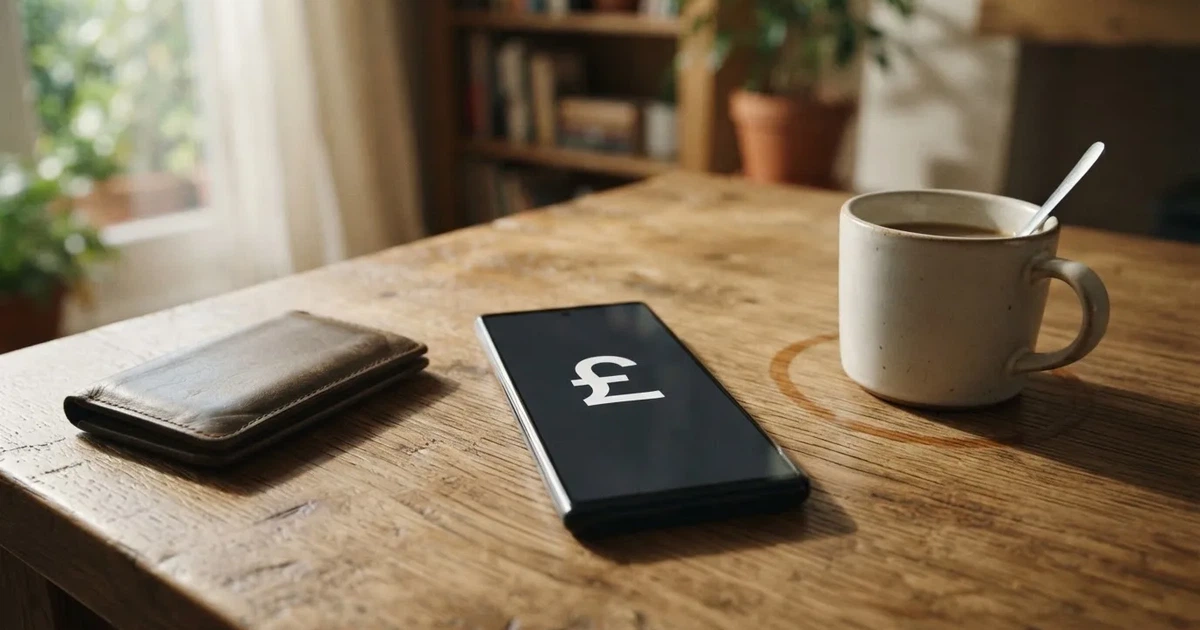
Apple Pay showed up in British betting around the same time contactless cards did, and what once felt novel is now just another row in the cashier. The question is no longer whether a bookmaker takes it. Most do. The question is which of those bookmakers a bettor can trust with their money, how quickly winnings come back to the same card, and what each one’s welcome offer costs once the small print is read. That is the territory this page covers, and it covers it against the only standard that matters in Great Britain: a current Gambling Commission licence.
The fundamentals: what Apple Pay is at a betting cashier
Apple Pay launched on 20 October 2014 with US cards only. UK-issued cards followed on 14 July 2015, and from that point any bookmaker that wanted a frictionless mobile deposit had an obvious button to add. Today it works through tokenisation: when a card is loaded into Apple Wallet, the card number is replaced with a device-specific Device Primary Account Number, and every transaction generates a fresh dynamic security code. The bookmaker never sees the real card number. In a betting shop, Apple Pay would talk to a contactless terminal by near-field communication, but online it works through the standard app or browser flow, authenticated on Face ID devices by a double-click of the side button, on Touch ID devices by a double-click of the Home button.

Two constraints follow from how Apple Pay is built. The first is that the player must hold a supported card from a participating issuer — Apple Pay is not available in every country, and not every debit card on the British market is enrolled. The second is that Apple Pay only moves money; it does not move credit. Gambling on a credit card has been banned in Great Britain since 14 April 2020, and that ban extends to credit-card-funded e-wallet deposits. A bettor who tries to fund Apple Pay with a credit card finds the transaction refused at the wallet level before it ever reaches the bookmaker, which is the desired outcome but worth knowing.
What this means for the cashier itself is straightforward. Apple Pay is a deposit rail; the same wallet cannot receive a withdrawal back to a credit card because there is no credit card. For withdrawals, bookmakers either refund to a debit card, to a bank account via Open Banking or Faster Payments, or to an alternative wallet. The fastest payouts on Apple Pay-funded accounts tend to go through Visa or Mastercard’s debit rails, and several operators in the comparison below quote same-day or next-day figures. The slowest are usually the operators who insist on a bank transfer for the return leg.
A separate note on regulation: in November 2024 the US Consumer Financial Protection Bureau brought large nonbank digital wallet operators, including Apple Pay, under bank-like federal oversight. That is a US development and has no direct effect on how a British bookmaker accepts a British card, but it is the clearest signal that the wallet is no longer treated as a tech curiosity. It is treated as money.
The British legal frame: licence, age and the credit-card ban
A bookmaker taking custom from Great Britain needs a Gambling Commission licence. The Gambling (Licensing and Advertising) Act 2014 made that licence compulsory at the point of consumption, wherever the operator is based, so a Curaçao, Malta or Gibraltar licence alone is not enough. Sections 33 and 36 of the Gambling Act 2005, as amended, set the offence. Sections 33 applies to providing gambling facilities without the licence the Act requires — aimed at the operator, with the customer not made the subject of a corresponding offence.

The Commission’s public register lists every licence holder, searchable by business name, trading name, domain or account number. It is the only test of whether a brand holds a licence. There is no state monopoly, no cap on the number of licences, and no category of “approved” brand outside the register. A bookmaker using .com is not, by that fact, unregulated; a bookmaker using .co.uk is not, by that fact, licensed. The domain proves nothing either way.
The minimum age to bet in Great Britain is 18. Since 7 May 2019 the Commission has required licensed operators to verify name, address and date of birth before a customer can deposit or gamble — including with a free bet. There is no anonymous play at a licensed site, and that holds whether the deposit is £5 by Apple Pay or £5,000 by bank transfer.
Three more rules shape the cashier. Credit cards are banned for gambling, and have been since 14 April 2020, under LCCP condition 6.1.2; the ban reaches credit-card-funded e-wallet deposits too. Source-of-funds questions at higher spend are normal under the money-laundering rules — they are not a sign of trouble, they are the operator doing what the licence demands. And the financial vulnerability check, a public-record check rather than an income or credit check, applies once a customer’s deposits minus withdrawals cross £150 in any rolling 30-day window, in force since 28 February 2025.
Safer gambling: where the limits actually live
Every operator in the comparison below is part of GAMSTOP, the national multi-operator online self-exclusion scheme and a mandatory licence condition for online operators since 31 March 2020. Self-exclusion can run for six months, one year, five years, or five years with auto-renewal. After the minimum period, the exclusion stays in place for a further seven years unless the customer asks GAMSTOP to remove it. GAMSTOP covers online sites and apps; betting shops use a separate over-the-counter scheme. That is the only multi-operator exclusion: it is not the operator’s deposit limit, it is not the affordability check, it is the bettor’s own nuclear option.
Operator-level controls sit on top of that. Unibet’s safer-gambling tools include deposit limits, a Player Profile test, product restrictions and self-exclusion, with live chat support and links to BeGambleAware, GamCare, GAMSTOP, Gambling Therapy and the BGC. Star Sports provides deposit limits, a Play Break facility and self-exclusion inside My Account. The point is that the controls differ in shape and in name, but every licensed brand offers them, and the Commission’s Remote Technical Standards are what make them mandatory.
Two checks run in the background that the bettor does not opt into. The financial vulnerability check is a public-record lookup — bankruptcy, county court judgments, similar entries — and triggers at the £150 net-deposit threshold in a rolling 30 days. The financial risk assessment, often called an “affordability check” in the press, sits on a staged plan the Commission published on 7 July 2026 with no start date. Until that start date is set, the only check that bites is the vulnerability one.
Where to get help if the limits stop working: GamCare runs the National Gambling Helpline, GambleAware funds treatment and education, the NHS runs gambling clinics, and Gamblers Anonymous runs peer support. None of those is the operator, and none of them needs a customer to be self-excluded to call.
Crypto, anonymity and the named-account reality
The search volume for “anonymous Apple Pay betting” exists, and the honest answer to it is short. There is no anonymous play at a British-licensed bookmaker, because the licence demands verification before the first deposit. Apple Pay does not change that: it tokenises the card, it does not anonymise the bettor. A wallet that lets the customer skip the age and identity checks is not a feature the licence permits, and any brand offering that path is operating outside the register.
There is no British rule against cryptocurrency deposits at licensed operators, but no major GB-licensed bookmaker takes them, and the same identity requirement applies if they did. A bettor looking for crypto rails is, by definition, looking at operators outside the GB register, and what they gain in pseudonymity they lose in every protection the licence provides: no GAMSTOP coverage, no Commission complaints route, no approved dispute-resolution body, no British consumer redress if funds are withheld, no cap on wagering requirements, no vulnerability check. The Commission’s enforcement against unlicensed operators is disruption — cease-and-desist notices, search-engine referrals, work with registrars, hosts and payment providers — not blocking. Court-order DNS blocking powers are being brought in, but the register’s exclusion is what matters at the point of use.
For the bettor who has decided they want both Apple Pay and a British licence, the conclusion is that the wallet works inside the system but does not soften its edges. Verification still happens, limits still apply, and the cashier still treats the deposit as a named-account transaction.
Bonuses and free bets: what the marketing words cost
The marketing word is “free”. The actual word is “conditional”. A welcome offer of “£40 in free bets when you bet £20” — which both Coral and Unibet run in similar shape — sounds like a gift, and it is one only if the qualifying bet wins at minimum odds of 2.0 (1/1), the free bets arrive within seven days, and the recipient uses them inside seven days of issue. Coral’s offer is open to new GB customers who opt in and deposit plus bet £20 or more; Unibet’s is the same in shape but requires a debit card or instant bank transfer for the qualifying deposit. The £40 is not £40 of cash; it is £40 of bet credit, and the stake is usually not returned with a winning free bet. That distinction is the difference between a £40 bonus and the value research attributes to a free bet of that size, which is materially lower.
Coral’s free bets expire seven days after they are issued. Unibet’s expire seven days after issue. Both windows are short. A bettor who takes the eye off the calendar loses the credit.
There is a wider rule that constrains all of this. Since 19 January 2026, wagering requirements on bonuses at GB-licensed operators are capped at 10x, so a £10 bonus at 50x — the kind of multiple offshore brands used to run — would need £500 of qualifying bets; under the cap, no more than £100. The cap does not necessarily cover free bets with no wagering condition, and the regulator has not set a cap on the money value of a bonus, so welcome offers of the Coral/Unibet shape sit at the maximum end of what the market is still allowed to offer. Mixed-product promotions — an offer that requires gambling on two or more product types, for example “bet on football to get free spins” — are banned outright.
Bet Ahoy’s structure is different. Its 10% Acca Bonus tops out at £1,000 and pays on accumulator wins; it adds Sub-Cover for player substitutions, Best Odds Guaranteed on UK and Irish horse and greyhound racing up to £100, and Double Result payout on UK and Irish racing. None of these is a free bet, and none of them has the seven-day expiry problem; the value is paid into real winnings rather than into a credit. That makes them a different kind of offer, and the cost-benefit analysis sits on a different line.
For Apple Pay specifically: the marketing pages do not single out the wallet, and the small print does not exclude it. A bettor funding through Apple Pay qualifies for the welcome offers of every operator below, with one structural exception — Unibet’s qualifying deposit specifies a debit card or instant bank transfer, and Apple Pay on a Visa or Mastercard debit card qualifies on most operators’ terms. The detail matters on the slip, not in the headline.
Payments and payout speed: how money actually moves
The deposit leg is fast. Apple Pay deposits land instantly, the floor is usually £5, and the operator does not charge a fee on the transaction. DAZN Bet’s deposit page puts the floor at £5 by debit card, Apple Pay, Paysafecard, Trustly and Skrill, with a £20 floor for PayPal. QuinnBet accepts debit cards, Apple Pay and OpenBanking, plus Revolut cards, and does not accept Skrill or Neteller deposits. NetBet’s app supports Instant Payments to bank, Apple Pay, PayPal and debit card, alongside Face ID or Touch ID login. Midnite takes Visa, Mastercard, Apple Pay, Google Pay and Trustly. The pattern is uniform: Apple Pay is a standard row in the cashier, not a premium one.
The return leg is where operators diverge. Apple Pay does not accept incoming transfers; the withdrawal has to be routed to a debit card, a bank account or an alternative wallet, and the speed depends on that routing. Fitzdares’ published position is that Visa withdrawals are usually same-day while Mastercard withdrawals can take up to 48 hours — a real difference driven by the card network rather than by Apple Pay. bet365’s app is funded by debit card, PayPal and Apple Pay, and the published payout window depends on the method chosen at withdrawal.
The wider British rule is the credit-card ban. A bettor cannot fund an Apple Pay deposit with a credit card, because Apple refuses the wallet load, so this is rarely a problem at the cashier. The problem it creates is when the bettor’s debit card is a Visa Debit issued against a credit-linked current account, or when the bank’s own policies treat the wallet as a near-credit line; those cases are rare, and the bookmaker’s own fraud team will be the first to flag them.
How the ten licensed bookmakers compare
The table below carries what the operator’s own terms state on the Apple Pay question, alongside the Gambling Commission licence that authorises them to take custom from Great Britain. The licence is the floor: every brand below holds a current remote general betting standard (real events) licence on the Commission’s public register. None of them is “the only” licensed operator, and the rank order in the table is an editorial shortlist, not a regulator’s endorsement.
| Brand | Gambling Commission licence and holder | What the operator’s own terms say on Apple Pay |
|---|---|---|
| BoyleSports | 039469-R-319383-025 (account 39469); Boylesports Enterprise | Debit-card and Apple Pay deposits; early payouts on selected sports |
| Star Sports | 009177-R-104555-019 (account 9177); Star Racing Limited | App available in the UK and Ireland; deposit limits and Play Break |
| QuinnBet | 061011-R-335683-004 (account 61011); QuinnBet (Gibraltar) Limited | Accepts debit cards, Apple Pay, OpenBanking and Revolut; no Skrill/Neteller |
| Coral | 054743-R-330863-014 (account 54743); LC International Limited | Apple Pay deposits; £40 free bets on a £20 qualifying bet at min odds 2.0 |
| Fitzdares | 000400-R-103839-030 (account 400); Fitzdares Limited | Apple Pay, Mastercard and Visa accepted; Visa withdrawals usually same-day |
| Unibet | 045322-R-324275-019 (account 45322); Platinum Gaming Limited | Apple Pay via debit card; £40 free bets on £20 at min odds 2.0 (debit/instant bank) |
| Bet Ahoy | 100094-R-341742-003 (account 100094); Bet Ahoy Ltd | 10% Acca Bonus up to £1,000; Best Odds Guaranteed on UK and Irish racing |
| NetBet | 039170-R-319343-032 (account 39170); Netbet Enterprises Limited | Instant Payments to bank, Apple Pay, PayPal and debit card |
| bet365 | 055148-R-331498-002 (account 55148); Hillside (UK Sports) ENC | Debit card, PayPal and Apple Pay funding; Face ID login supported |
| DAZN Bet | 048756-R-327274-019 (account 48756); DZBT Limited | £5 floor by Apple Pay, debit card, Paysafecard, Trustly and Skrill |
The table does not show margins, odds or specific prices, because those vary by event and the only stable publication the operators share is the licence line. Where a brand’s own published material names Apple Pay alongside other rails, that is the column that has something to say; where it does not, the column carries no figure rather than a guess.
The wider British market — every licensed operator — offers in-play betting under the operator’s own licence conditions and customer-protection duties. BoyleSports runs early payouts on selected sports: football if a team goes two goals ahead, basketball at twenty points ahead, rugby and NFL at sixteen points ahead, and boxing after a knockdown. Midnite’s site shows in-play events, an acca builder, popular accas and price boosts with maximum-stake limits. None of those features is unique to Apple Pay customers, and none of them is withheld from them.
BoyleSports
BoyleSports sits on the register under Boylesports Enterprise with remote licence 039469-R-319383-025. The early-payout mechanic on selected sports is the standout feature: a 2-0 lead in football, a 20-point lead in basketball, a 16-point lead in rugby and NFL, and a knockdown in boxing all settle the bet before the clock runs out. For a bettor whose taste runs to multi-leg accumulators, the safety net pays for itself across a season of bets that would otherwise be decided by stoppage time. Apple Pay deposits land at the standard £5 floor, the cashier does not penalise the wallet, and the early-payout rule is a structural edge rather than a one-off promotion. Worth it for the football and basketball punter who wants a partial settlement on the long acca.
Star Sports
Star Racing Limited holds remote licence 009177-R-104555-019 for Star Sports. The published safer-gambling controls are stronger than the average, with deposit limits, a Play Break facility and self-exclusion sitting inside My Account, and the app is available in the UK and Ireland. The product is built around British and Irish racing, with the wider sportsbook a complement rather than the centre of gravity. Apple Pay is in the cashier; the racing focus and the in-account controls are what differentiate the brand. Worth it for the racing-led punter who wants the safer-gambling tools to live in the same window as the bet slip.
QuinnBet
QuinnBet’s licence sits at 061011-R-335683-004 under QuinnBet (Gibraltar) Limited. The deposit set is wide — debit cards, Apple Pay, OpenBanking, Revolut — and the published exclusions are explicit: no Skrill, no Neteller. For a bettor who pays by Revolut or by bank through OpenBanking, that combination is hard to beat on flexibility. The brand is mid-sized on the British market, with a sportsbook that covers the usual leagues without the depth of bet365’s in-play offering. A strong candidate for the Revolut-led bettor who wants to pair an Apple Pay deposit with a flexible banking setup.
Coral
LC International Limited holds Coral’s licence at 054743-R-330863-014, alongside sister brands that share the same licensee. The headline offer — £40 in free bets when you bet £20 at minimum odds of 2.0 — is one of two near-identical offers on this list (Unibet runs the same shape under the same licensee group). The free bets arrive within seven days and expire seven days after issue, which is a short window. Apple Pay qualifies on the deposit. Coral’s market depth and live streaming are stronger than most brands outside the top tier, and the welcome offer is competitive at the value end of the market. Worth it for the punter who values liquidity on Premier League and Championship markets and is happy to plan around a seven-day window.
Fitzdares
Fitzdares holds remote licence 000400-R-103839-030 under Fitzdares Limited. The published withdrawal split is the editorial point: Visa withdrawals usually arrive the same day, Mastercard withdrawals up to 48 hours later. The 48-hour figure is the realistic case for a bettor funding Apple Pay with Mastercard debit — the deposit is instant, the return is not. The brand pitches itself as a premium service, with smaller-stake bettors less of the target market than at the high-street names. An effective pick for the punter who prioritizes faster debit-rail withdrawals and is content operating within the brand’s premium stake parameters.
Unibet
Platinum Gaming Limited runs Unibet’s UK site under account 45322; the brand states it has operated since 1999, and the safer-gambling toolkit is among the most explicit on the list, with deposit limits, a Player Profile test, product restrictions and self-exclusion, plus live chat and links to BeGambleAware, GamCare, GAMSTOP, Gambling Therapy and the BGC. The welcome offer is the same £40-on-£20 shape as Coral, with the same seven-day expiry and the same minimum odds, but with a qualifying-deposit restriction to a debit card or instant bank transfer. For a bettor funding through Apple Pay on a Visa or Mastercard debit card, the offer is in scope. Worth it for the punter who values the explicit safer-gambling surface and the acca tooling.
Bet Ahoy
Bet Ahoy Ltd holds remote licence 100094-R-341742-003. The bonus structure is the point: 10% Acca Bonus up to £1,000, Sub-Cover for player substitutions, Best Odds Guaranteed on UK and Irish horse and greyhound racing up to £100, and Double Result payout on UK and Irish racing. None of these is a free bet with an expiry line, and the Best Odds Guaranteed cap is the kind of structural offer that pays the punter over a season rather than at sign-up. Apple Pay deposits qualify. Worth it for the racing and acca punter who wants the long-tail offer rather than the welcome credit.
NetBet
Netbet Enterprises Limited holds NetBet’s licence at 039170-R-319343-032. The published payment set — Instant Payments to bank, Apple Pay, PayPal and debit card, with Face ID or Touch ID login — is a clean four-method cashier with no e-wallet clutter. The brand is mid-market on British sports coverage, with a stronger casino vertical than most of this set. For a bettor who treats the sportsbook as one product among several, the integrated login and the Instant Payments return leg are the edge. Worth it for the customer who wants the sportsbook inside a wider product and is comfortable with a bank-transfer return.
bet365
Hillside (UK Sports) ENC holds bet365’s remote licence at 055148-R-331498-002. The brand is the deepest sportsbook on the British market by liquidity, market count and in-play coverage, and the cashier is plain: debit card, PayPal and Apple Pay funding, with Face ID login on supported devices. The volume carries both the upside and the cost — the brand’s in-play margins reflect the size, and the welcome offer is modest relative to the standalone free-bet brands. The go-to for the high-volume punter who prioritizes market liquidity and in-play depth over the standard sign-up bonus.
DAZN Bet
DZBT Limited holds DAZN Bet’s licence at 048756-R-327274-019. The deposit set is the widest low-floor cashier on the list: £5 by Apple Pay, debit card, Paysafecard, Trustly and Skrill, with a £20 floor on PayPal and no processing fees. For a small-stake bettor, the £5 floor matters: most brands quote £5 as well, but DAZN Bet is explicit. The brand is the youngest on this list, with the sportsbook still building depth relative to bet365 or Coral. Worth it for the low-stake punter who wants the £5 floor across multiple rails and is comfortable with a smaller in-play menu.
Tax and the operator’s cut
The player pays no tax on betting winnings in Great Britain. That is general information, not tax advice; a professional gambler should ask HMRC or an adviser. The operator pays General Betting Duty on gross profits, currently 15%, with a new remote betting rate of 25% applying from 1 April 2027 within it. Bets on UK horse racing, self-service betting terminal bets, pool betting and in-person bets stay at 15%. Until 1 April 2027 the remote rate stays at 15%. Whether operators pass duty on through odds is not established, and the bettor does not pay it either way.
Spread betting carries separate rates: 3% on financial spread betting and 10% on other spread betting. Spreadex, the spread-betting name that comes up in this market, is regulated by the FCA for spread betting and by the Gambling Commission for fixed-odds betting, and publishes the warning that spread-betting losses can exceed deposits. That warning sits inside a different product and a different licence line; a bettor who chose the fixed-odds bookmakers on this page is not on that hook.
The offshore alternative, plainly stated
A bookmaker without a Gambling Commission licence can still take bets from a British customer in technical terms, but the customer forfeits every protection the licence provides. No GAMSTOP coverage. No Commission complaints route. No approved dispute-resolution body. No British consumer redress if funds are withheld. No 10x bonus cap. No £150 vulnerability check. And no guarantee that an HMRC-grade audit trail exists for the winnings. The Commission’s enforcement against unlicensed operators is disruption, not blocking — cease-and-desist notices, search-engine referrals, work with registrars, hosts and payment providers — and court-order DNS blocking powers are coming in but are not the published mechanism yet.
The honest framing for a bettor choosing between the two paths is the same one the regulator’s own literature uses. Licensed means checks, limits, GAMSTOP, the bonus cap, and verification before the first bet. Unlicensed means none of those protections and possible loss of funds. Neither is “the safe choice” by default, and the bettor’s choice is the bettor’s choice to make.
The short version
Ten Gambling Commission-licensed bookmakers take Apple Pay, and the wallet behaves identically across the cashier of every one of them — instant deposit, debit-card or bank return, £5 floor on most. The differences are upstream: licence holder, safer-gambling tools, welcome offer shape, payout speed, sportsbook depth. Coral and Unibet run the £40-on-£20 free bets offer with a seven-day window. Bet Ahoy runs long-tail offers on accas and racing. bet365 carries the depth. Fitzdares carries the same-day Visa withdrawal. DAZN Bet carries the £5 floor. BoyleSports carries the early payouts. Star Sports carries the racing focus. QuinnBet carries the Revolut-and-OpenBanking mix. NetBet carries the wider product set. The choice is the bettor’s, and the register is the place to confirm it before any stake goes down.
Frequently asked questions
Can you bet against Apple Pay?
Apple Pay is a wallet that funds the betting account; the bet is placed against the bookmaker’s market and settled from the account balance. The wallet does not change the odds, the market or the bet type, and the same wallet cannot be drawn against for the stake — the bettor needs funds in the account before the bet is accepted.
Can you lose on Apple Pay betting?
Yes. Apple Pay is the deposit and withdrawal rail, not a hedging instrument. A losing bet settles as a losing bet regardless of how it was funded, and the wallet simply returns the winnings (if any) to the linked debit card or bank account at the operator’s payout speed.
Can you use Apple Pay in betting shops?
Apple Pay works at any contactless terminal, including the self-service betting terminals in licensed betting shops. For placing a bet over the counter with a cashier, the same contactless flow applies; the bettor confirms the payment on Face ID or Touch ID as at any other retailer.
Which payment methods do GB-licensed bookmakers accept, and are credit cards allowed?
Every operator in this comparison accepts Apple Pay alongside debit cards, with bank transfer, OpenBanking, PayPal, Skrill, Neteller, Paysafecard, Trustly, Revolut and Google Pay appearing variously across the cashier. Credit cards have been banned for gambling in Great Britain since 14 April 2020, and the ban extends to credit-card-funded e-wallet deposits.
From what age can bets be placed in Great Britain, and when is identity verified?
The minimum age is 18, and licensed operators verify name, address and date of birth before the customer can deposit or gamble — a rule in force since 7 May 2019 and covering free bets and bonuses. There is no anonymous play at a licensed site.
How can it be checked that a bookmaker holds a Gambling Commission licence?
The Commission’s public register, searchable by business name, trading name, domain or account number, is the whole test of whether a brand holds a licence. Every operator in this comparison is listed on that register against the account number given in the table.
Payments & apps – Darts betting
Content created by the «Darts betting» team
